
For 29-year-old trumpet player Luke, music has always been at the heart of his life. Years spent performing live had immersed him in powerful, complex sound, but when he started noticing a persistent ringing in his right ear, everything changed.
The first warning signs
At first, the tinnitus was subtle, but in quiet hotel rooms while on tour, it became impossible to ignore. “Sleeping was difficult, and I worried constantly about how this might affect my career,” Luke explains. “Knowing that tinnitus in one ear can sometimes indicate more serious issues added to the stress.”
Seeking expert advice
Luke discovered Harley Street Hearing through the Musicians’ Union and booked a consultation to assess his hearing health. He wanted to identify any factors contributing to his tinnitus, explore custom earplugs to protect his hearing, and trial in-ear monitors (IEMs) for safer, controlled sound during performances.
His appointment with audiologist Matt Frost made an immediate impact. “Matt advised me to get NHS scans because the tinnitus was only in one ear,” Luke recalls. “Everything came back clear, which was a huge relief.”
Matt also explained how Luke’s years of standing on one side of a drum kit had likely contributed to the problem and guided him on consistent hearing protection.
“Matt really understood what it meant to be a professional musician,” Luke says. “He’s around my age and knows the realities of life on tour. Having that support was invaluable.”
Taking control of his hearing
Today, Luke feels informed, reassured, and empowered. By following Matt’s guidance on safe noise exposure and using custom ear protection, his tinnitus has reduced and become a useful signal rather than a constant stressor.
“My tinnitus now acts like a warning system,” he explains. “If it spikes, I know the environment is too loud and I need protection. In a way, I’m grateful for it.”
Adjusting to new tools
Learning to use IEMs as a trumpet player came with challenges. The occlusion effect—feeling “blocked in” while playing—made the adjustment tricky at first. Over time, however, Luke became comfortable with them.
“Most importantly, I know I am protecting my hearing and safeguarding my career,” he says. “It’s completely worth it.”
Advice to fellow musicians
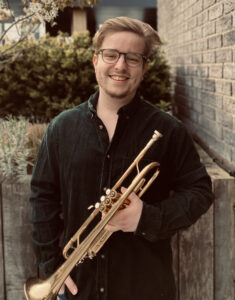
Luke’s message is simple but vital: “Prevention is the best medicine. Don’t ignore the warning signs. Take action early to protect your hearing while still enjoying the music you love.”
Whether you’re dealing with tinnitus, exploring custom hearing protection, or considering IEMs for safer stage sound, expert guidance can make all the difference. Contact us today to find out how to protect your ears and your career.


