
Whether you’re performing on stage, rehearsing with your band or producing music in the studio, your hearing is one of your most valuable assets. Regular exposure to loud sound can increase the risk of hearing loss and tinnitus, but with the right precautions, you can continue making music while protecting your hearing for the future. Here are seven expert tips every musician should know.
Why are musicians at greater risk of hearing loss?
Music is meant to be enjoyed, but it can also be loud enough to damage hearing over time. Professional and amateur musicians are often exposed to high sound levels for extended periods, increasing their risk of noise-induced hearing loss.
Common sources of excessive noise include:
- Live performances
- Band rehearsals
- Orchestra rehearsals
- Amplified instruments and stage monitors
- Drum kits and percussion
- In-ear monitors used at high volumes
- Headphones during recording, editing or mixing
The risk isn’t just about how loud the music is. The amount of time you’re exposed to sound also plays an important role.
There are simple steps you can take to protect your hearing without compromising your performance.
-
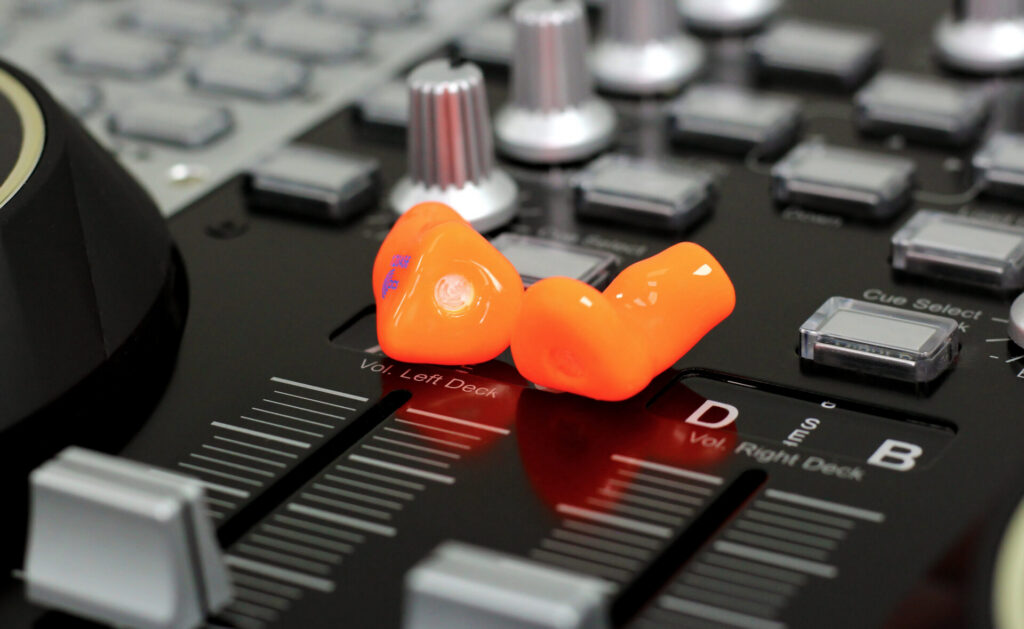
Wear hearing protection designed for musicians
Not all earplugs are created equal.
Standard foam earplugs reduce sound unevenly, which can make music sound muffled or distorted. This is why many musicians choose not to wear them.
Custom-made earplugs are specifically designed to reduce the volume while maintaining the clarity and quality of the music you’re hearing.
The benefits include:
- Clear, balanced sound across frequencies
- Comfortable fit for long rehearsals and performances
- Different filter options for different musical environments
- Protection without affecting your ability to perform
For anyone regularly exposed to loud music, custom hearing protection is one of the most effective ways to reduce the risk of hearing damage.
-
Don’t ignore the early warning signs
Your ears will often tell you when they’ve been exposed to too much noise.
Common warning signs include:
- Ringing or buzzing in your ears after rehearsals or gigs
- Muffled hearing following a performance
- Needing to turn your headphones or monitors up louder than before
- Difficulty hearing conversations in busy places
- Increased sensitivity to loud sounds
Even if these symptoms disappear after a few hours, they may be a sign that your ears have experienced temporary damage. Repeated exposure can eventually mean those temporary changes lead to permanent hearing loss.
-
Limit your exposure to loud sound
The louder the sound, the less time it takes to affect your hearing.
Reducing the amount of time you’re exposed to loud music can significantly lower your risk.
Simple ways to do this include:
- Taking regular listening breaks during rehearsals
- Scheduling short breaks during long practice sessions
- Stepping away from loudspeakers whenever possible
- Giving your ears time to recover after particularly loud performances
Small changes to your routine can make a lasting difference.
-
Use in-ear monitors safely
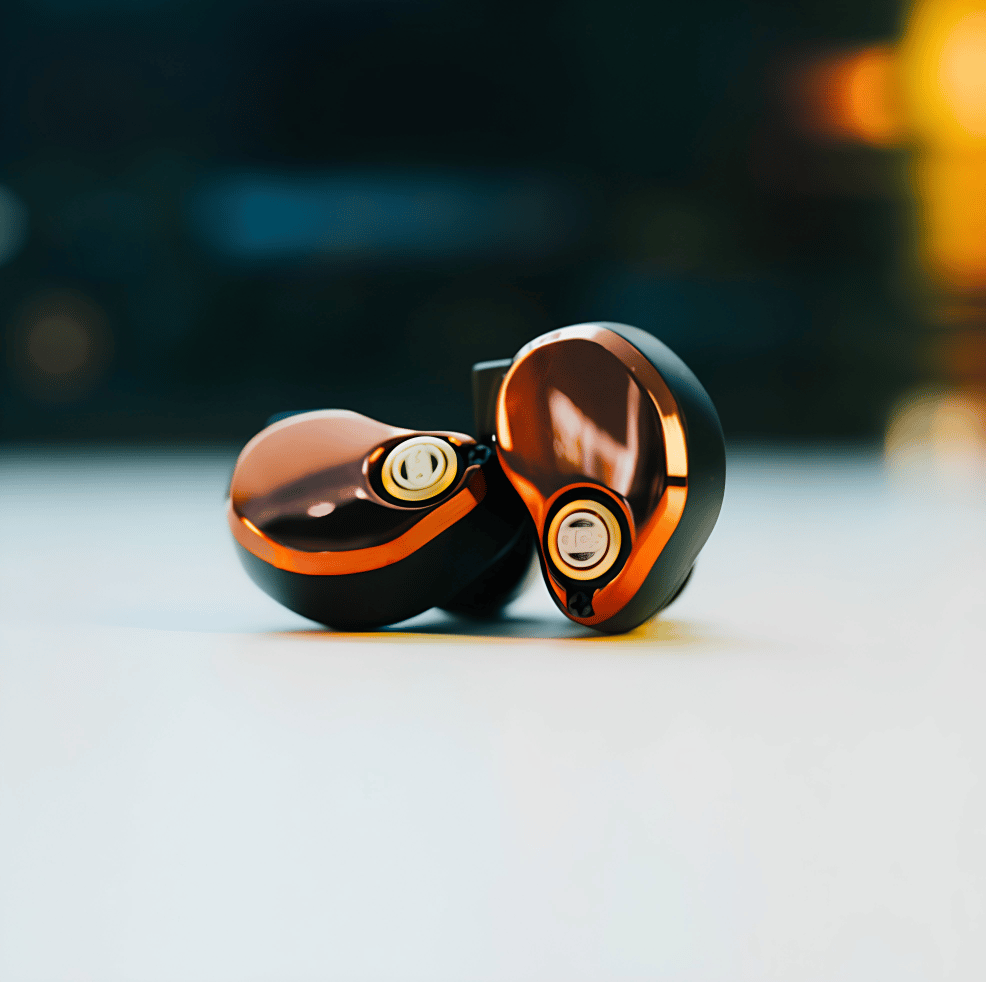
In-ear monitors can help musicians hear more clearly on stage, but only when they’re used correctly.
To protect your hearing:
- Start with the lowest comfortable listening level
- Use professionally fitted in-ear monitors that create a proper seal
- Aim for a balanced monitor mix rather than increasing the overall volume
- Avoid sudden increases in volume during performances
Want to learn more? Read our blog In-Ear Monitors: A Musicians Guide.
-
Think about where you stand
Your position during rehearsals or performances can affect how much sound reaches your ears.
Where possible:
- Avoid standing directly in front of amplifiers
- Increase your distance from drum kits and brass sections or other notably loud instruments
- Angle speakers away from your ears
- Consider acoustic screens if appropriate for your performance space
These small adjustments can help reduce your overall noise exposure.
-
Protect your hearing away from the stage
Many musicians continue exposing their ears to loud sound long after rehearsals have finished.
Think about your everyday listening habits, including:
- Using headphones while travelling
- Editing or mixing recordings
- Attending concerts or festivals
- Working in noisy environments
To reduce your overall exposure:
- Keep headphone volumes at a sensible level
- Take regular listening breaks
- Wear hearing protection at loud events
- Allow your ears time to recover after particularly noisy days
Protecting your hearing outside of performances is just as important as protecting it on stage.
-
Have your hearing checked regularly
Many musicians notice subtle changes in their hearing long before they become obvious in everyday life.
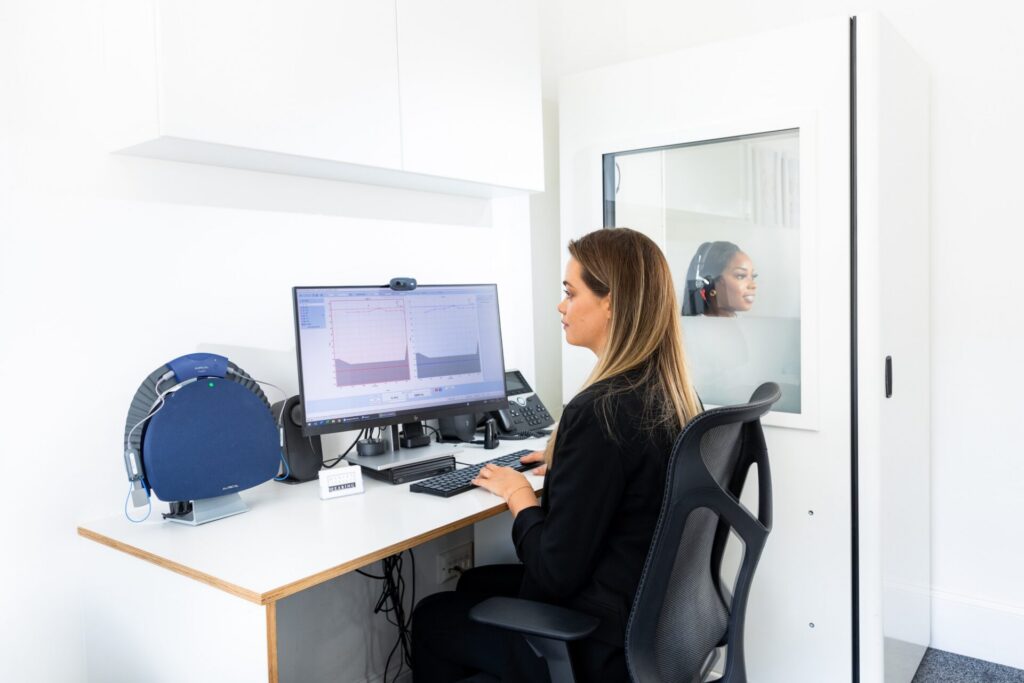
Regular hearing assessments (recommended every one to two years) can:
- Detect early signs of hearing loss
- Monitor your hearing over time
- Provide reassurance if your hearing remains healthy
- Help you make informed decisions about hearing protection
Having a baseline hearing assessment is particularly valuable for anyone who performs or rehearses regularly.
Specialist Hearing Care for Musicians
At Musician’s Hearing Services, we understand the unique listening demands musicians face. We provide comprehensive hearing assessments, custom-made musician earplugs and specialist hearing protection tailored to your performance environment.
Whether you’re a professional performer or passionate amateur, our team can help you protect your hearing while ensuring you continue to experience music as it was meant to be heard. Contact us today to invest in the future of your hearing.


