
Whether you’re performing live, rehearsing with a band or spending hours in the studio, music is a big part of your life. But regular exposure to loud sound can put musicians at a greater risk of hearing loss and tinnitus.
The good news is that hearing damage isn’t an inevitable part of being a musician. Understanding the risks and taking simple precautions can help you continue making and enjoying music while protecting your hearing for the future.
Are musicians more at risk of hearing loss?
Musicians can be at a greater risk of hearing loss because of their regular exposure to loud sound.
Unlike occasional exposure to loud music, musicians may spend several hours a day rehearsing, performing, recording or listening to amplified sound. Over time, this repeated exposure can place significant stress on the delicate structures of the inner ear.
The risk applies to both professional and amateur musicians. It’s not only those who perform on large stages that are exposed to potentially harmful sound levels.
How does repeated exposure to loud music affect hearing?
The louder the sound, the shorter your exposure time can be before it can affect your hearing.
When you’re exposed to loud music, the sensitive hair cells in the inner ear can become damaged. These cells play an important role in converting sound into signals that your brain can understand.
Repeated exposure to loud sound can cause this damage to build up over time. Unlike some other cells in the body, the hair cells responsible for hearing have limited ability to naturally repair themselves once they’ve been permanently damage.
This means that regularly rehearsing or performing at high volumes without adequate protection can increase the risk of permanent hearing loss.
What about tinnitus and muffled hearing after a performance?
Ringing, buzzing or muffled hearing after playing music can be a warning sign that your ears have been exposed to too much sound.
You may notice that your hearing sounds dull or that you have ringing in your ears after a loud rehearsal, concert or festival. These symptoms may disappear after a few hours, but they shouldn’t simply be ignored.
Repeated episodes of temporary hearing changes can indicate that your ears are being overexposed to loud sound. If you regularly experience tinnitus or muffled hearing after performing, it’s worth considering how you can reduce your exposure and having your hearing checked.
Do some musicians face a higher risk than others?
The level of risk can vary depending on the type of music you make and how often you’re exposed to loud sound.
For example, drummers and percussionists may experience high sound levels at close range, and musicians positioned near amplifiers, brass sections or loud stage monitors may also have significant exposure.
DJs and performers working in clubs can be exposed to loud amplified music for extended periods, while producers, engineers and other studio professionals may spend many hours listening through headphones or studio monitors.
The risk isn’t determined by your profession alone. Factors such as volume, distance from the sound source, length of exposure and how often you take breaks can all make a difference.
Why should musicians have regular hearing tests?
Regular hearing assessments can help you understand your hearing and identify changes over time.
Musicians often rely heavily on their hearing, but gradual hearing loss can be difficult to notice in everyday life. You may compensate without realising it, particularly if the change happens slowly.
Having a baseline hearing assessment gives you a useful reference point and allows your hearing to be monitored over time.
A hearing assessment can also help identify whether you may benefit from additional hearing protection or changes to your listening habits.
How can musicians protect their hearing?
There are several simple ways to reduce your exposure to loud sound without giving up the music you love.
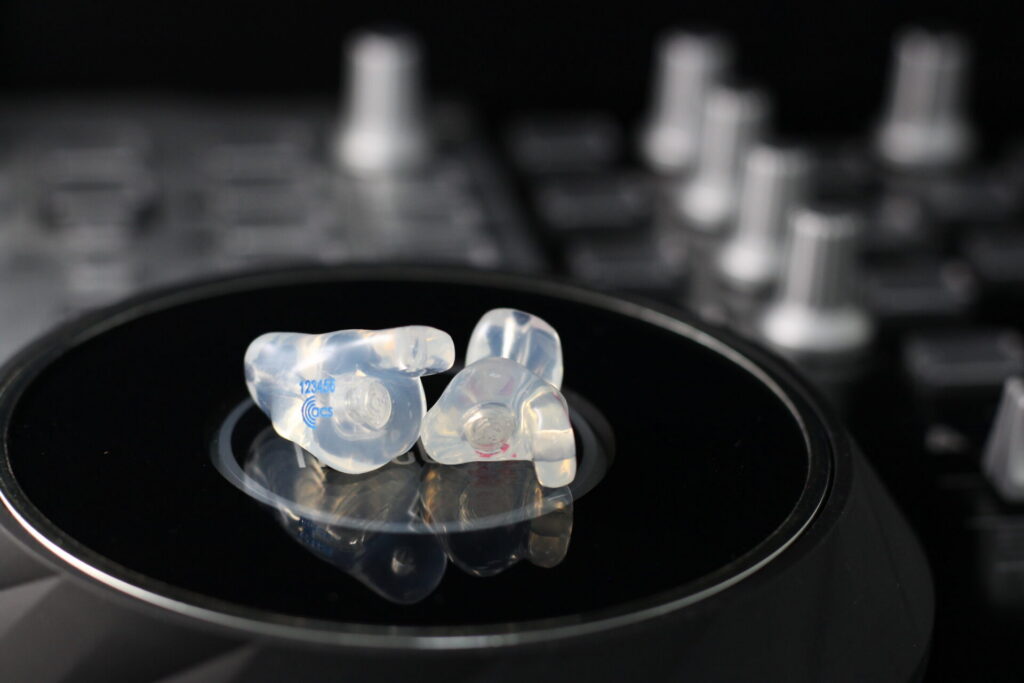
- Wear musician-specific hearing protection: Custom-made earplugs can reduce sound levels while maintaining the clarity and balance of music.
- Take regular breaks: Give your ears time away from loud sound during rehearsals, performances and studio sessions.
- Keep volumes at a sensible level: Whether you’re using headphones, monitors or in-ear monitors, use the lowest comfortable volume.
- Consider your position: Where possible, increase your distance from loudspeakers, amplifiers and other particularly loud instruments.
- Use in-ear monitors carefully: A well-fitted system and balanced monitor mix can help you hear clearly without unnecessarily increasing the volume.
- Protect your hearing away from music: Remember that concerts, festivals, headphones and other noisy environments all contribute to your overall sound exposure.
- Get your hearing checked: Regular assessments can help you monitor your hearing and identify changes early.
Specialist Hearing Care for Musicians
At Musicians’ Hearing Services, we understand the unique demands musicians place on their hearing. We provide specialist hearing assessments, custom-made musician earplugs and in-ear monitors designed to support musicians in a range of performance and listening environments.
Whether you’re a professional performer or passionate amateur, protecting your hearing now can help you continue to experience and create music for years to come. Contact us today to find out more about looking after your hearing.


