Month: March 2026

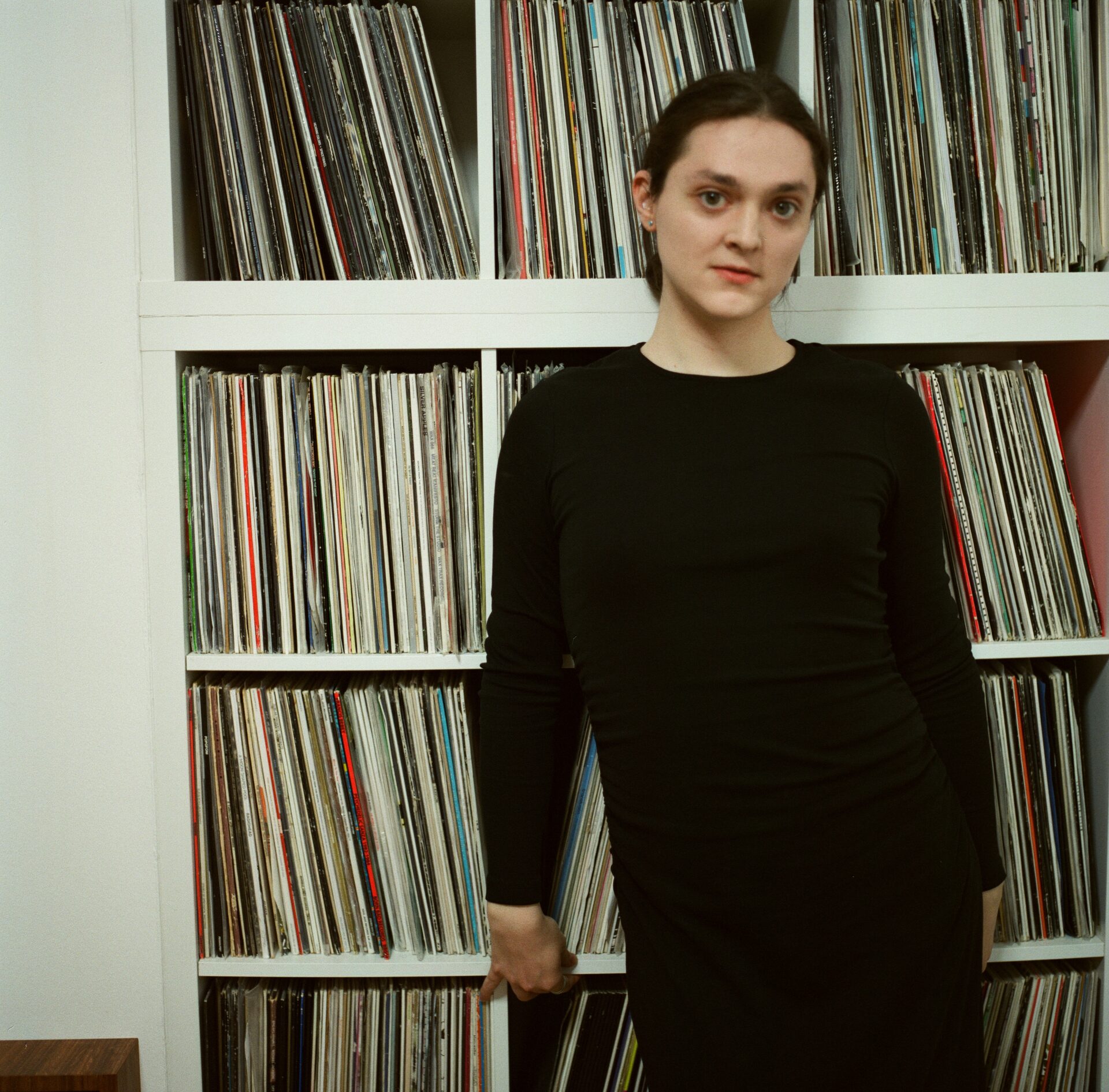
Geo’s Hearing Aids Restored the Music They Had Been Missing

For music producer and songwriter Geo, sound is more than just hearing, it is how they connect with the world. Having relied on hearing aids for years, they began noticing that some frequencies, especially in the low and mid ranges, were becoming harder to hear. This was affecting not only daily life, but also their music.

“I had been using the same hearing aids for about six years,” Geo explains. “I did not realise at first how much of the sound spectrum I was missing. Chords and bass lines were not clear in my tracks, and it was subtly affecting my creativity.”

Finding the right support

At the time, Geo’s audiologist was overseas, making it hard to get regular adjustments or specialist care tailored to a musician’s needs. Discovering Harley Street Hearing through the Musicians’ Hearing Health Scheme was a turning point.

They booked an appointment with audiologist Fiona Butterworth, whose understanding of both music and hearing health made an immediate impression. “Fiona’s attention to detail convinced me to choose Harley Street Hearing,” Geo says. “Having someone local who understands a musician’s needs has been invaluable.”

The right technology

After a thorough consultation, Geo was fitted with Phonak Audéo Lumity hearing aids. Fiona explained the different technology levels and why this model, with its music-friendly accessories and advanced sound processing, would suit their lifestyle.

The results were immediate. “When I first put them on and listened to my music playlist, I heard details I had never noticed before,” Geo recalls. “The clarity across low and high frequencies was incredible. It completely changed how I experience music.”

Life-changing features

The hearing aids’ dedicated music mode has been transformative, allowing Geo to hear layers of sound previously missed. Speech-in-noise mode has also made everyday conversations much easier, helping them focus on voices while tuning out background noise.

Adjusting took some time, as expected, but over a year later, Geo cannot imagine going back. “Your brain adapts,” they explain. “Now I can fully appreciate the detail in music again. It has been life-changing.”

The importance of ongoing care

Geo credits much of their success to Fiona’s ongoing support. “She is the only audiologist I see now. Fiona takes time to troubleshoot, explains the settings, listens to my needs, and even supports me with urgent appointments and funding applications. I honestly could not ask for more.”

Back to enjoying music

Today, Geo feels confident in both the studio and daily life. Their hearing aids are discreet, reliable, and perfectly tailored, allowing them to create, perform, and enjoy music with clarity they once thought was lost.

“If you are a musician worried hearing aids might hold you back, do not be. With the right support, they can give you so much back.”

For musicians or music lovers looking to enhance hearing and experience music fully, professional audiology support can make all the difference. Contact us to find out more about hearing aids tailored to your needs
How Tinnitus Management Helped Luke Stay in Control of His Music

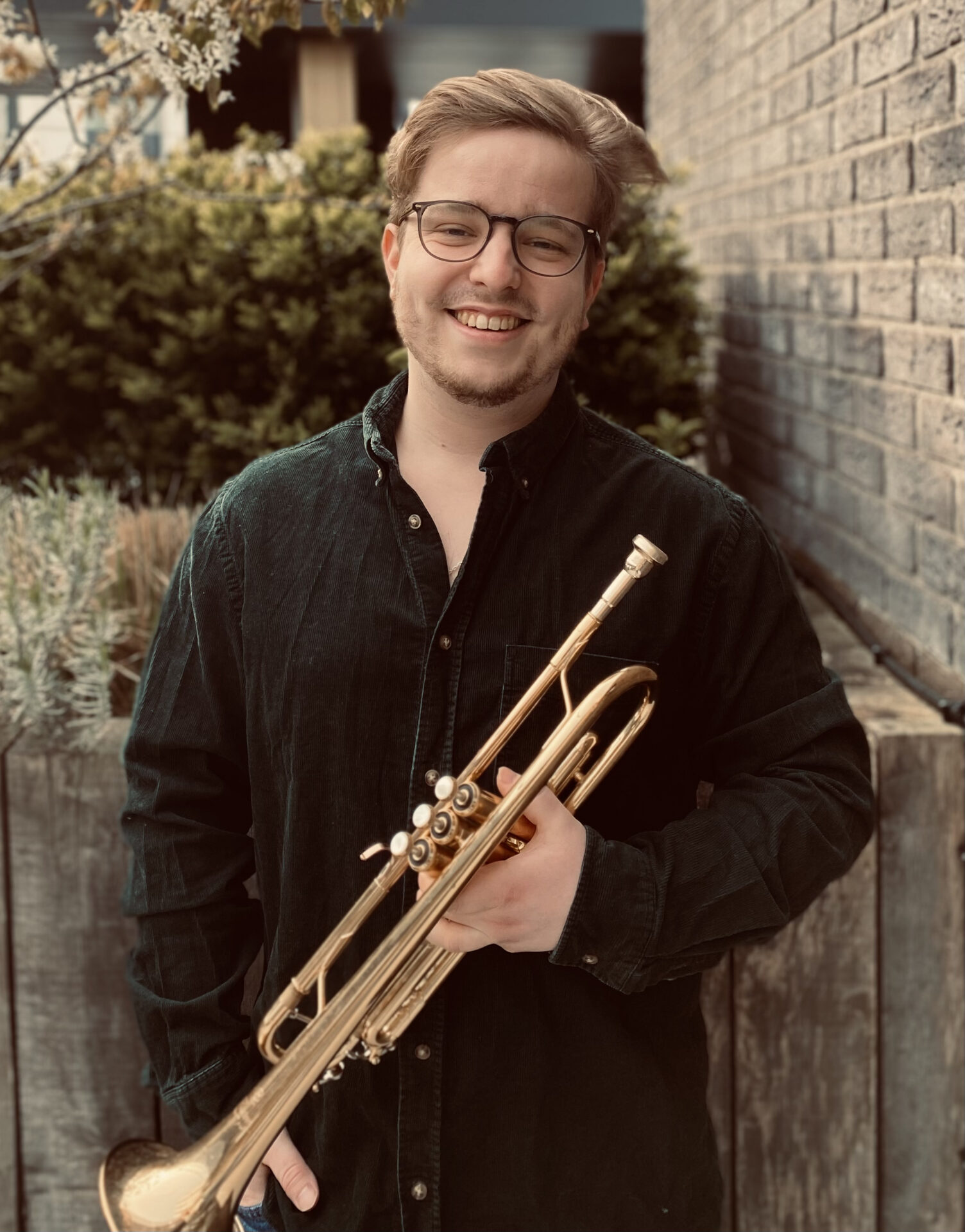
For 29-year-old trumpet player Luke, music has always been at the heart of his life. Years spent performing live had immersed him in powerful, complex sound, but when he started noticing a persistent ringing in his right ear, everything changed.

The first warning signs

At first, the tinnitus was subtle, but in quiet hotel rooms while on tour, it became impossible to ignore. “Sleeping was difficult, and I worried constantly about how this might affect my career,” Luke explains. “Knowing that tinnitus in one ear can sometimes indicate more serious issues added to the stress.”

Seeking expert advice

Luke discovered Harley Street Hearing through the Musicians’ Union and booked a consultation to assess his hearing health. He wanted to identify any factors contributing to his tinnitus, explore custom earplugs to protect his hearing, and trial in-ear monitors (IEMs) for safer, controlled sound during performances.

His appointment with audiologist Matt Frost made an immediate impact. “Matt advised me to get NHS scans because the tinnitus was only in one ear,” Luke recalls. “Everything came back clear, which was a huge relief.”

Matt also explained how Luke’s years of standing on one side of a drum kit had likely contributed to the problem and guided him on consistent hearing protection.

“Matt really understood what it meant to be a professional musician,” Luke says. “He’s around my age and knows the realities of life on tour. Having that support was invaluable.”

Taking control of his hearing

Today, Luke feels informed, reassured, and empowered. By following Matt’s guidance on safe noise exposure and using custom ear protection, his tinnitus has reduced and become a useful signal rather than a constant stressor.

“My tinnitus now acts like a warning system,” he explains. “If it spikes, I know the environment is too loud and I need protection. In a way, I’m grateful for it.”

Adjusting to new tools

Learning to use IEMs as a trumpet player came with challenges. The occlusion effect—feeling “blocked in” while playing—made the adjustment tricky at first. Over time, however, Luke became comfortable with them.

“Most importantly, I know I am protecting my hearing and safeguarding my career,” he says. “It’s completely worth it.”

Advice to fellow musicians

Luke’s message is simple but vital: “Prevention is the best medicine. Don’t ignore the warning signs. Take action early to protect your hearing while still enjoying the music you love.”

Whether you’re dealing with tinnitus, exploring custom hearing protection, or considering IEMs for safer stage sound, expert guidance can make all the difference. Contact us today to find out how to protect your ears and your career.

How Hearing Aids Helped Elena Tune Back into Music

For Elena, sound has always been a lifeline. As a professional musician with a visual impairment, her ears connect her to the world in ways most of us take for granted. Yet, over time, she began to notice subtle changes that made her question whether her hearing was still as sharp as it needed to be.

The first signs

Elena’s awareness of potential hearing difficulties started with a message from the Musicians’ Union encouraging members to check their hearing. It struck a chord. She remembered the trauma of the 7th July 2005 attacks in London and wondered whether her hearing changes were real or just a product of her imagination.

“At first, I couldn’t tell if something was wrong,” Elena recalls. “Because of my visual impairment, I rely on hearing more than most. It’s how I navigate the world and my music.”

At the time, living in Scotland, she had tried NHS hearing aids. They helped, but her professional needs were complex, and she longed for a solution that fit both her musical career and her daily life.

The impact on daily life

Before finding the right support, Elena often felt frustrated and isolated. “I struggled to follow conversations, and once I even sang the wrong note while harmonising,” she shares. “Having to constantly ask people to repeat themselves was embarrassing.”

The challenges weren’t limited to music. Crossing streets or navigating busy areas became daunting. “I rely on hearing to cross safely. When I couldn’t hear properly, I felt nervous and unsure. I might have annoyed a few motorists too,” she says with a laugh.

Finding specialised support

Elena reached out to the Royal Society of Musicians, who guided her toward more tailored options. That led her to Harley Street Hearing, where audiologist Matthew Allsop took the time to understand her unique situation.

“Matthew has been incredible,” Elena says. “He listens carefully, not just to what I say, but to what I need as a musician and as someone visually impaired.”

After a detailed discussion of her hearing challenges, Matthew recommended Widex Moment RIC hearing aids. These devices adapt automatically to different environments, reducing the constant need for manual adjustments.

“One of the things I love most is that the aids adjust themselves,” Elena explains. “I can also tweak settings using the Widex app when necessary. It’s made life so much easier.”

Life with hearing aids

Adjusting to her new hearing aids was smooth, and four years later, Elena has noticed profound improvements.

“I no longer sing off-key, I can tune my instrument accurately, and I feel more confident moving around,” she says. “Social situations are easier, too, though public spaces still have room to become more hearing-friendly.”

Elena emphasizes the importance of a collaborative relationship with an audiologist. “Many people don’t know what to ask for or how to describe their struggles. Having someone who listens and adapts makes all the difference. Without Harley Street Hearing, I’d probably still be missing out.”

Back in tune with life

Today, Elena feels fully reconnected to her music, independence, and the world around her.

“My life has changed completely,” she reflects. “Finding an audiologist who truly understands your needs is transformative.”

Experience the difference personalised hearing care can make. Contact us to see how we can help you reconnect with the sounds you love.

Showcasing Hearing Health at the ABO Conference 2025

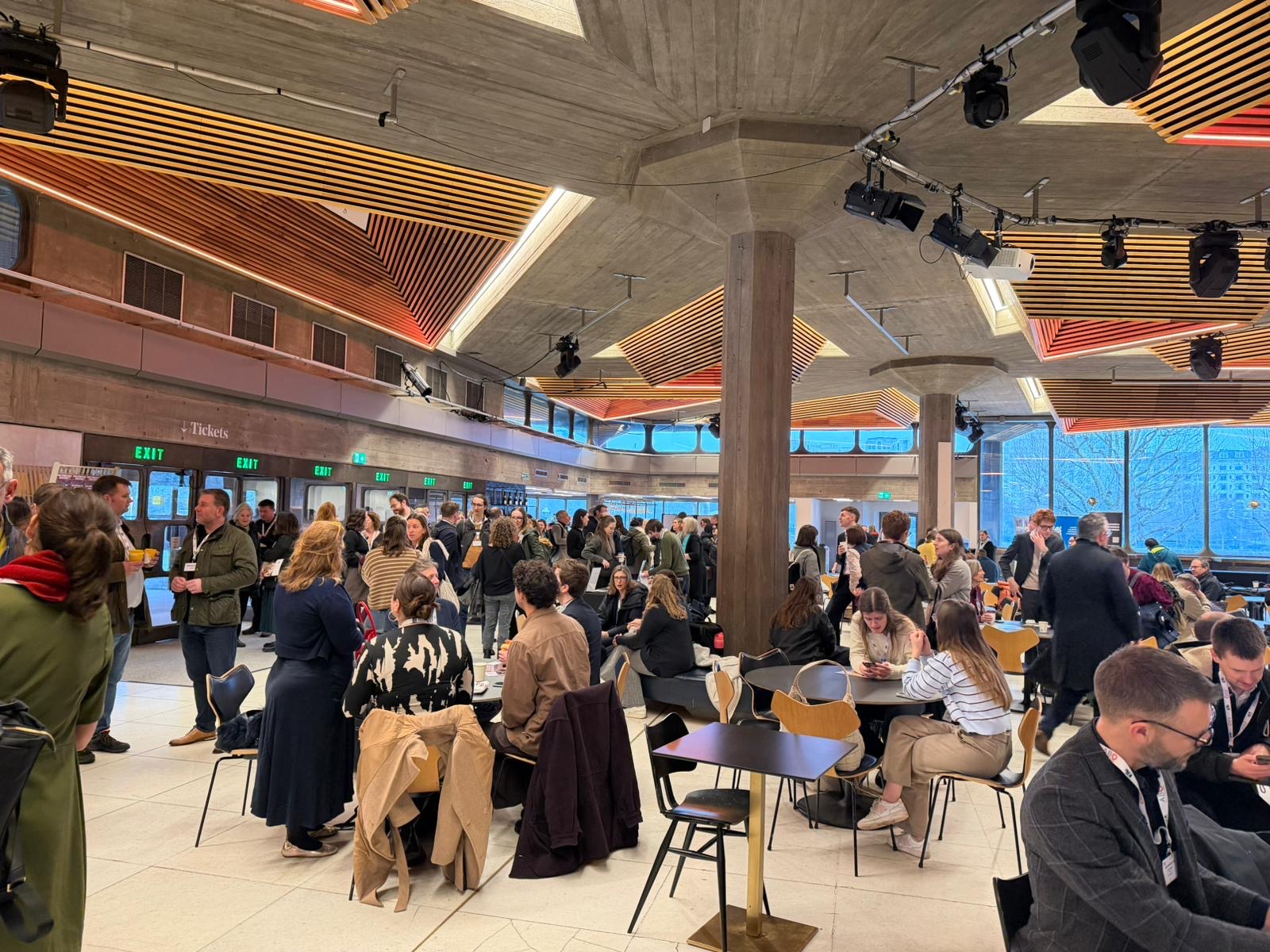
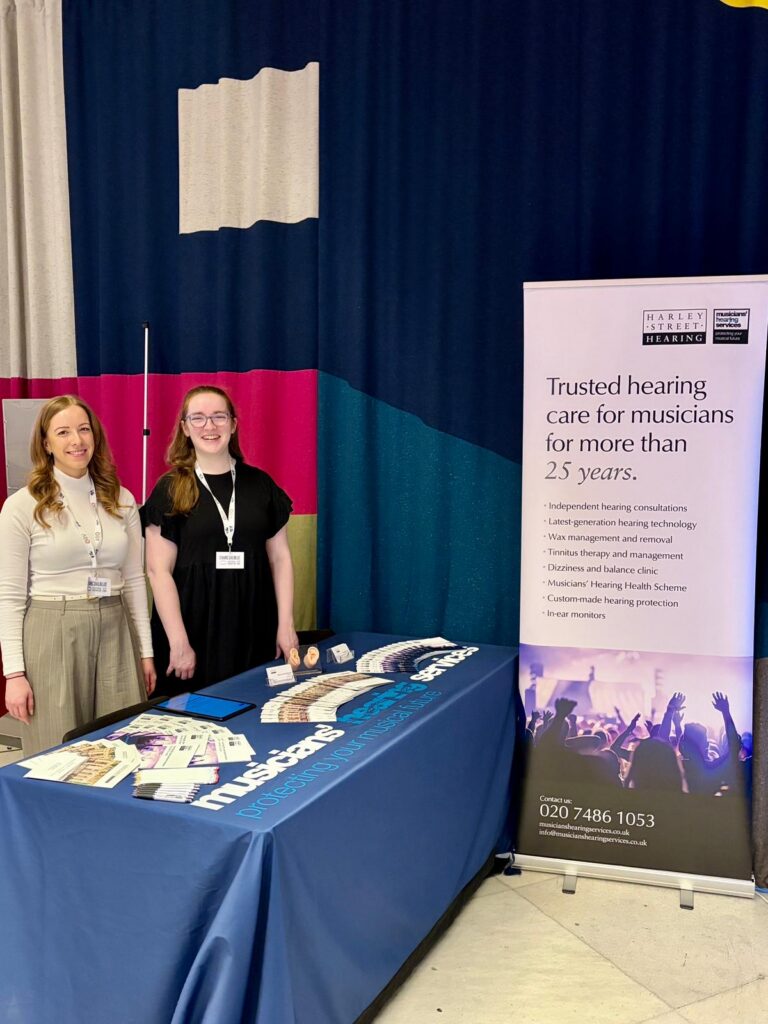
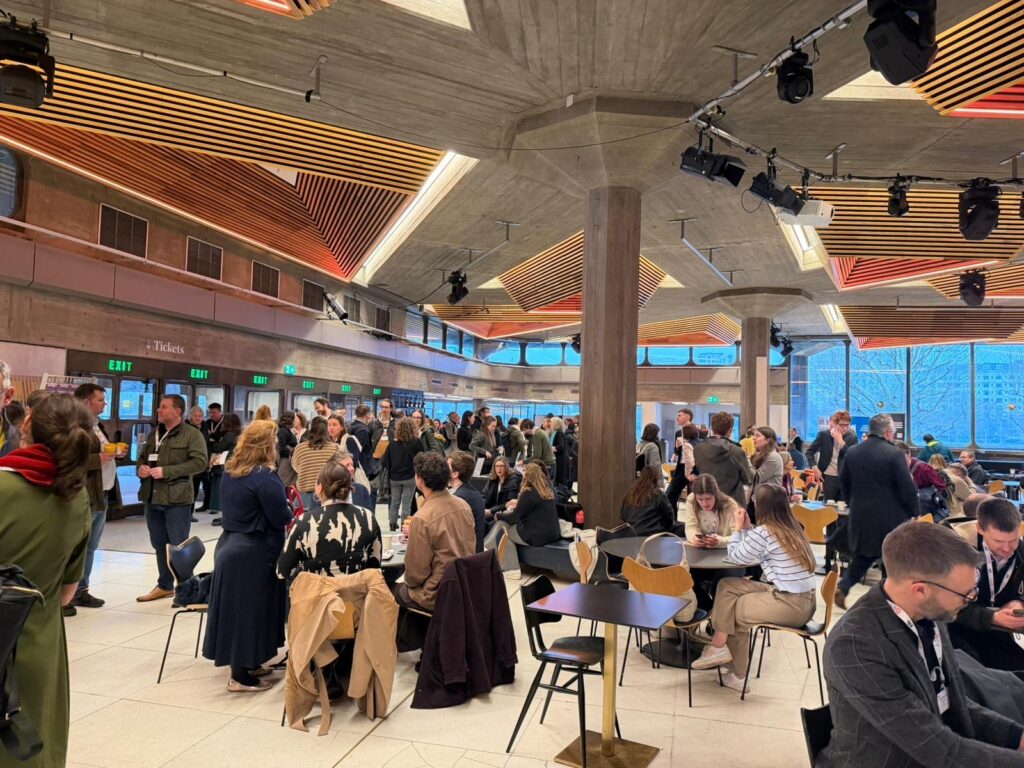
I was delighted to attend and exhibit at the annual conference of the Association of British Orchestras (ABO) in London with our Marketing Manager, Lauren Culver, on behalf of Musicians’ Hearing Services. Bringing together the classical music industry in the UK, the conference hosted more than 300 delegates, including orchestras from the UK and overseas, as well as venues, agents, publishers, and suppliers. The event provided a fantastic opportunity for us to engage directly with the orchestral community, foster meaningful connections, and raise awareness about hearing health for musicians.

Exhibiting at the ABO Marketplace

At the heart of the conference was the ABO Marketplace, where we met delegates, answered questions, and showcased everything Musicians’ Hearing Services does to support musicians’ hearing. We exhibited alongside Air-Edel, Sottovoce, John Good Ltd, Learning for Good, Musica Baltica, Carnegie Hall, RATstands, Classical Music Magazine, and Operabase.

It was wonderful to connect with so many individuals and organisations who care just as much as we do about hearing health in the music industry. The Marketplace offered a lively and inspiring space to exchange ideas and explore how we can better support musicians’ wellbeing across the UK.

Sessions and Speakers

The conference opened with welcome speeches from Sophie Lewis, Mark Ball, and Judith Webster, setting the tone for thoughtful discussions across the sector.

Highlights of the sessions included:

  • Vision, Mission, Purpose – Led by Sophie Lewis with insights from Anthony Roth Costanzo, exploring how orchestras define their purpose beyond survival.
  • What Does Your Mission Say About You? – Thorben Dittes quizzed sector volunteers including Andrew Burke, Emma Stenning, Catherine Arlidge, and Rory Jeffes on aligning mission with social impact, business models, and daily operations.
  • Deep Dive: Who Calls the Shots? – Facilitated by Toks Dada, Thorben Dittes, and Kate Whitley, examining artistic decision-making models and their impact on audiences.
  • Creative Health – Chaired by Thahmina Begum, with Laura Waters, Charlotte Osborn-Forde, Dr Simon Opher MP, Fiona Lambert, and Alex Brierley, exploring how orchestras transform lives through health and wellbeing initiatives.
  • Education – Supported by Carnegie Hall’s Link Up programme and chaired by Sophie Lewis, featuring Dame Rachel de Souza, Dr Adam Whittaker, Dr Anthony Anderson, and Jillian Barker, reflecting on the orchestral sector’s role in UK music education.
  • Politics & Polarisation – Chaired by Sarah Bardwell, with Rachel van Walsum, Jessica Duchen, Simon Webb, and Katy Hamilton, discussing orchestras navigating politically charged programming and public response.
  • Devolution – Led by Professor Katy Shaw, alongside Dougie Scarfe, Fran Hegyi, Claire Mera-Nelson, and Mat Flynn, examining how regional decision-making shapes the arts sector.
  • Question Time – Chaired by Jamie Njoku-Goodwin, featuring Dame Caroline Dinenage MP, Baroness Barbara Keeley, Anna Sabine MP, Dame Kathryn McDowell, and Elaine Bedell, fielding audience questions on key sector issues.
  • The Orchestral Future: AI for Culture – Led by Jocelyn Burnham, exploring opportunities and challenges of artificial intelligence in orchestras.
  • Environmental Sustainability – Chaired by Nick Jackman, with James Hardie, Katie Sterland, and Katy Raines, discussing how orchestras can act purposefully on climate issues.
  • Classical Cut Through & Digital Engagement – Dr Sarah Price led this session with Maddy Shaw-Roberts, George Chambers, Hannah Fiddy, and Katy Rogers-Davies, sharing strategies to remain relevant in the digital landscape.
  • Power Sharing & Inclusion – Facilitated by Kate Whitley, with Anne Torreggiani and Euella Jackson, focusing on inclusive leadership and broadening voices in orchestras.
  • Creating Orchestral Theatre – Aurora Orchestra’s team, including Jane Mitchell, Jessie Maryon-Davies, Kate Wakeling, and musicians from the orchestra, demonstrated production processes and designing performances for diverse audiences.

Looking Ahead

Exhibiting at the ABO Conference reinforced for me just how collaborative and forward-thinking the classical music sector is. We look forward to continuing these conversations and supporting orchestras across the UK through Musicians’ Hearing Services, helping ensure the joy of music can be heard clearly, safely, and for years to come.

Written by Fiona Butterworth – Clinical Lead