Category: Blog

7 Expert Tips to Help Musicians Protect Their Hearing

Whether you’re performing on stage, rehearsing with your band or producing music in the studio, your hearing is one of your most valuable assets. Regular exposure to loud sound can increase the risk of hearing loss and tinnitus, but with the right precautions, you can continue making music while protecting your hearing for the future. Here are seven expert tips every musician should know.

Why are musicians at greater risk of hearing loss?

Music is meant to be enjoyed, but it can also be loud enough to damage hearing over time. Professional and amateur musicians are often exposed to high sound levels for extended periods, increasing their risk of noise-induced hearing loss.

Common sources of excessive noise include:

  • Live performances
  • Band rehearsals
  • Orchestra rehearsals
  • Amplified instruments and stage monitors
  • Drum kits and percussion
  • In-ear monitors used at high volumes
  • Headphones during recording, editing or mixing

The risk isn’t just about how loud the music is. The amount of time you’re exposed to sound also plays an important role.

There are simple steps you can take to protect your hearing without compromising your performance.

  1. Wear hearing protection designed for musicians

Not all earplugs are created equal.

Standard foam earplugs reduce sound unevenly, which can make music sound muffled or distorted. This is why many musicians choose not to wear them.

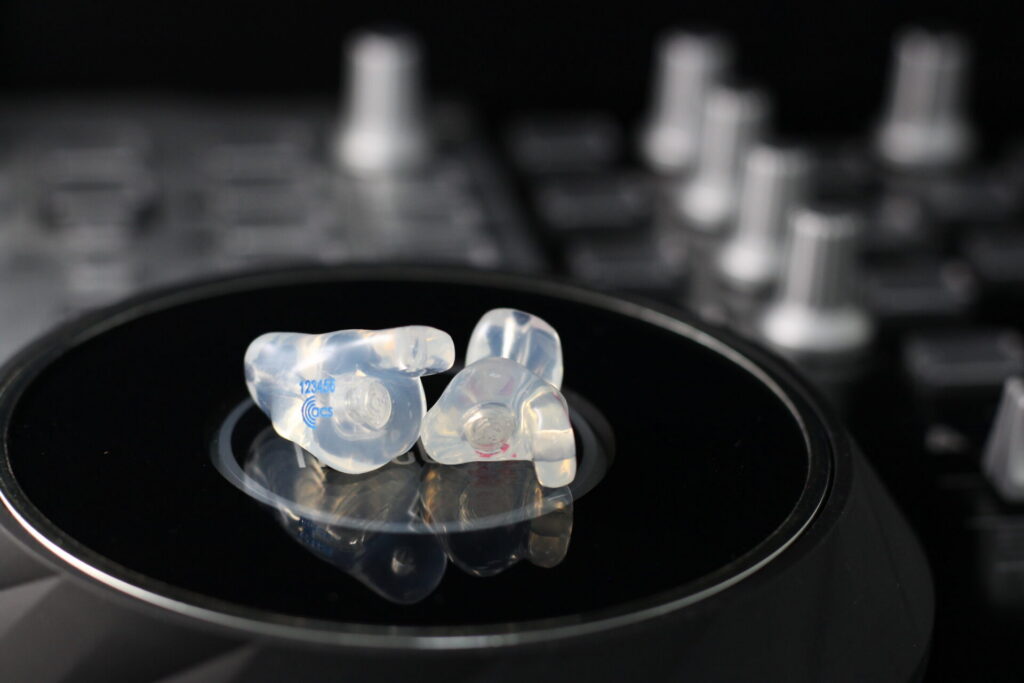
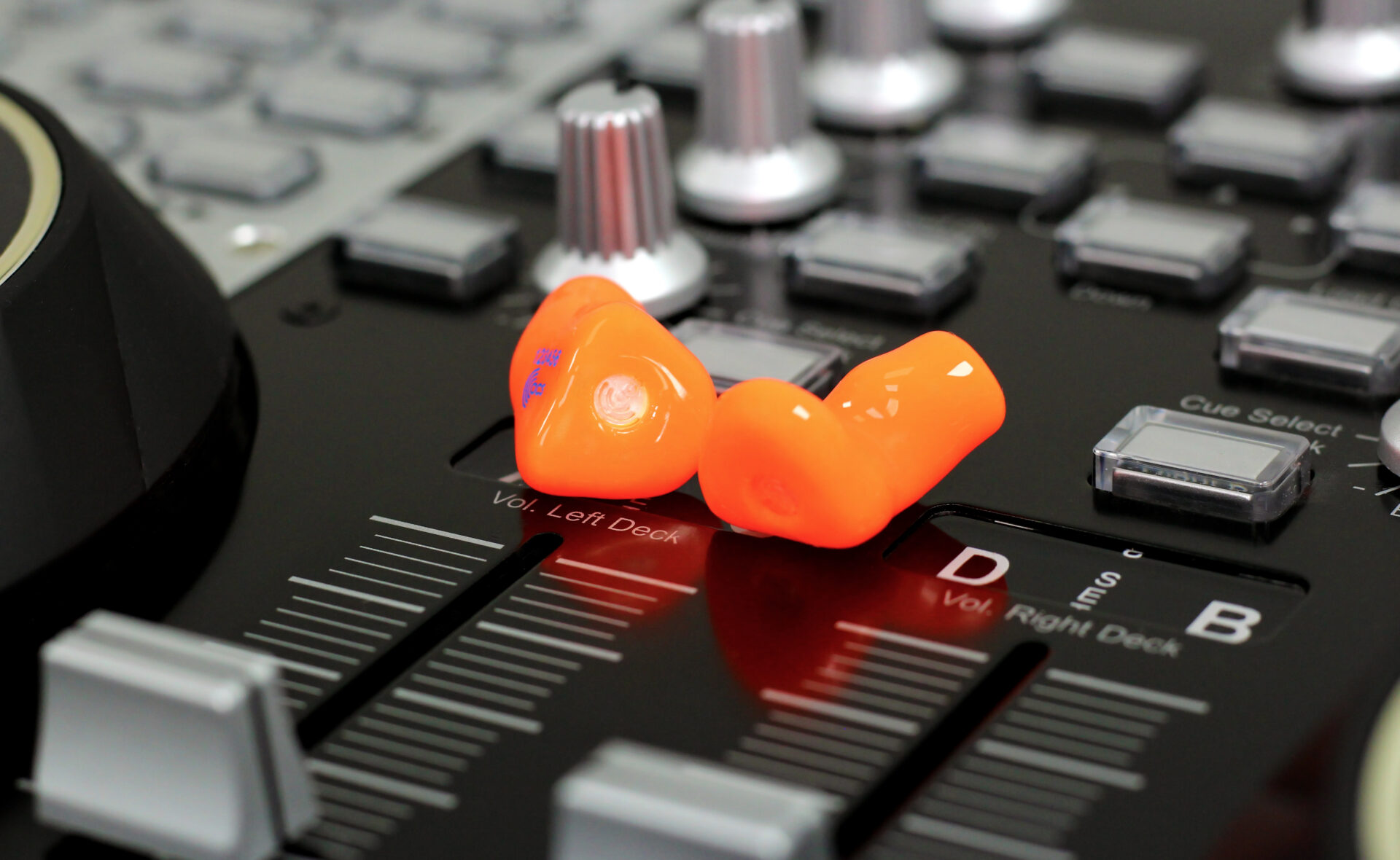
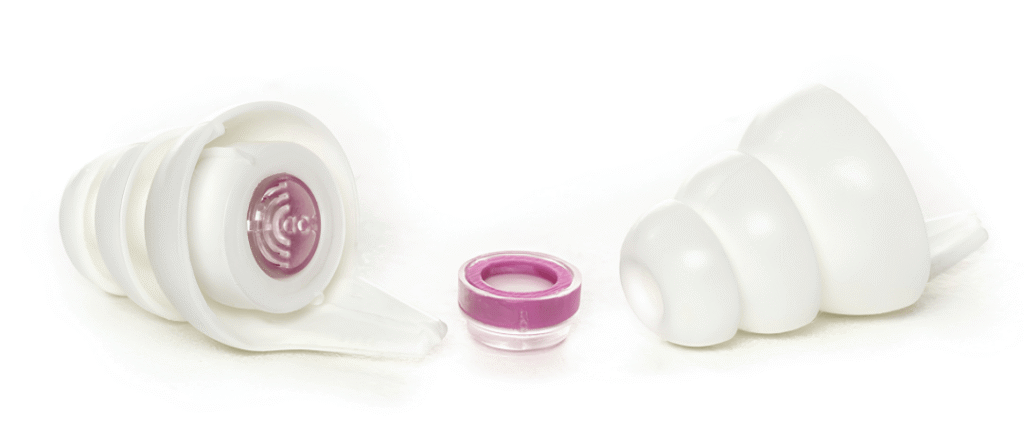
Custom-made earplugs are specifically designed to reduce the volume while maintaining the clarity and quality of the music you’re hearing.

The benefits include:

  • Clear, balanced sound across frequencies
  • Comfortable fit for long rehearsals and performances
  • Different filter options for different musical environments
  • Protection without affecting your ability to perform

For anyone regularly exposed to loud music, custom hearing protection is one of the most effective ways to reduce the risk of hearing damage.

  1. Don’t ignore the early warning signs

Your ears will often tell you when they’ve been exposed to too much noise.

Common warning signs include:

  • Ringing or buzzing in your ears after rehearsals or gigs
  • Muffled hearing following a performance
  • Needing to turn your headphones or monitors up louder than before
  • Difficulty hearing conversations in busy places
  • Increased sensitivity to loud sounds

Even if these symptoms disappear after a few hours, they may be a sign that your ears have experienced temporary damage. Repeated exposure can eventually mean those temporary changes lead to permanent hearing loss.

  1. Limit your exposure to loud sound

The louder the sound, the less time it takes to affect your hearing.

Reducing the amount of time you’re exposed to loud music can significantly lower your risk.

Simple ways to do this include:

  • Taking regular listening breaks during rehearsals
  • Scheduling short breaks during long practice sessions
  • Stepping away from loudspeakers whenever possible
  • Giving your ears time to recover after particularly loud performances

Small changes to your routine can make a lasting difference.

  1. Use in-ear monitors safely

In-ear monitors can help musicians hear more clearly on stage, but only when they’re used correctly.

To protect your hearing:

  • Start with the lowest comfortable listening level
  • Use professionally fitted in-ear monitors that create a proper seal
  • Aim for a balanced monitor mix rather than increasing the overall volume
  • Avoid sudden increases in volume during performances

Want to learn more? Read our blog In-Ear Monitors: A Musicians Guide.

  1. Think about where you stand

Your position during rehearsals or performances can affect how much sound reaches your ears.

Where possible:

  • Avoid standing directly in front of amplifiers
  • Increase your distance from drum kits and brass sections or other notably loud instruments
  • Angle speakers away from your ears
  • Consider acoustic screens if appropriate for your performance space

These small adjustments can help reduce your overall noise exposure.

  1. Protect your hearing away from the stage

Many musicians continue exposing their ears to loud sound long after rehearsals have finished.

Think about your everyday listening habits, including:

  • Using headphones while travelling
  • Editing or mixing recordings
  • Attending concerts or festivals
  • Working in noisy environments

To reduce your overall exposure:

  • Keep headphone volumes at a sensible level
  • Take regular listening breaks
  • Wear hearing protection at loud events
  • Allow your ears time to recover after particularly noisy days

Protecting your hearing outside of performances is just as important as protecting it on stage.

  1. Have your hearing checked regularly

Many musicians notice subtle changes in their hearing long before they become obvious in everyday life.

Regular hearing assessments (recommended every one to two years) can:

  • Detect early signs of hearing loss
  • Monitor your hearing over time
  • Provide reassurance if your hearing remains healthy
  • Help you make informed decisions about hearing protection

Having a baseline hearing assessment is particularly valuable for anyone who performs or rehearses regularly.

Specialist Hearing Care for Musicians

At Musician’s Hearing Services, we understand the unique listening demands musicians face. We provide comprehensive hearing assessments, custom-made musician earplugs and specialist hearing protection tailored to your performance environment.

Whether you’re a professional performer or passionate amateur, our team can help you protect your hearing while ensuring you continue to experience music as it was meant to be heard. Contact us today to invest in the future of your hearing.

In-Ear Monitors: A Musician’s Guide

For many musicians, hearing yourself clearly on stage can be a challenge.

Whether you’re competing with loud amplifiers, struggling to hear vocals, or dealing with inconsistent monitor mixes, poor monitoring can affect both your performance and your hearing.

That is why more musicians are switching to in-ear monitors (IEMs). They provide clearer sound, greater control and can help reduce exposure to harmful noise levels.

At Musicians’ Hearing Services, we regularly work with performers who want to improve their on-stage sound while protecting their hearing for the future.

What are in-ear monitors?

In-ear monitors are earphones designed specifically for live performance and professional audio monitoring.

Instead of relying on traditional floor monitors or wedge speakers, musicians receive their monitor mix directly through earpieces worn in the ears.

This allows you to hear exactly what you need, whether that’s your own instrument, vocals, backing tracks or the full band mix.

Why are musicians choosing in-ear monitors?

  1. Clearer sound on stage

Traditional stage monitors can be affected by room acoustics, crowd noise and speaker placement.

In-ear monitors deliver a consistent sound directly to your ears, helping you hear every detail of your performance.

  1. Greater control over your mix

There are systems that allow musicians to adjust their own monitor mix, meaning you can hear more of what matters to you without needing to increase the overall volume.

  1. Improved performance confidence

When you can hear yourself clearly, it’s easier to stay in tune, keep time and communicate with other performers.

Many musicians find that in-ear monitors reduce stress and improve confidence during live performances.

  1. Better consistency between venues

Every venue sounds different.

In-ear monitors provide a reliable listening experience regardless of room size, acoustics or stage setup.

Can in-ear monitors protect your hearing?

One of the biggest benefits of in-ear monitors is their ability to help manage noise exposure.

Custom-moulded earpieces create a seal in the ear canal that blocks out external sound. This means musicians can often listen at lower, safer volumes while still hearing their mix clearly. It’s even more effective when all the performers in the ensemble have made the switch over to in-ear monitors, as the need for floor monitors or wedge speakers is eliminated.

However, in-ear monitors are only effective when used correctly.

Listening at excessive volumes can still damage hearing, regardless of the type of monitor being used.

That is why professional fitting, correct setup and regular hearing checks are so important.

Custom vs universal in-ear monitors

Universal in-ear monitors

These use standard ear tips and are available off the shelf.

They can be a good entry point for musicians but may not offer the same comfort, isolation or sound quality as custom options.

Custom in-ear monitors

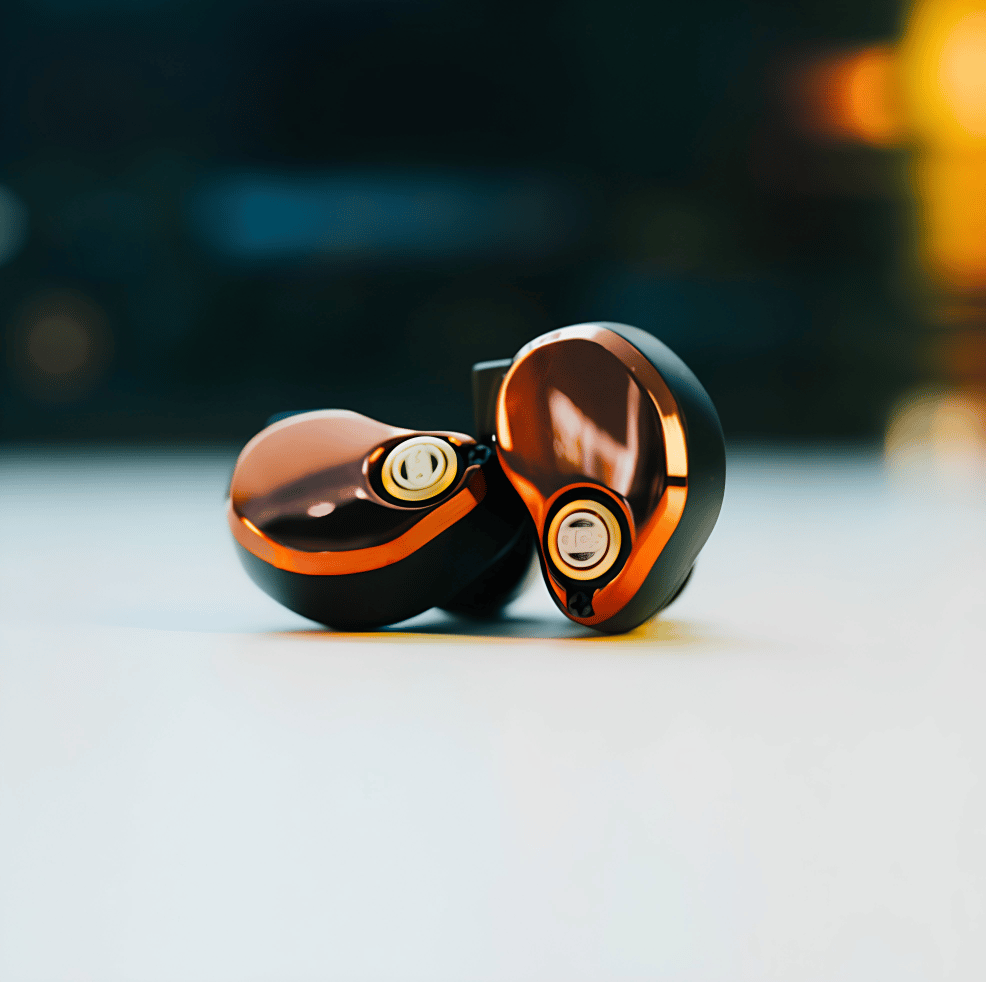
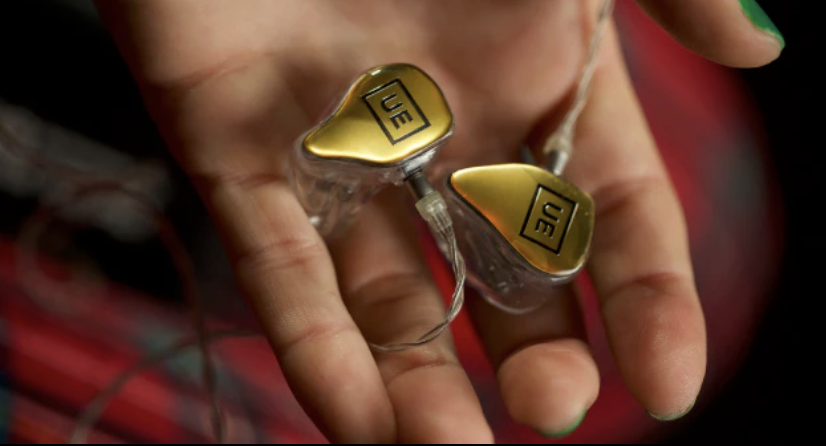
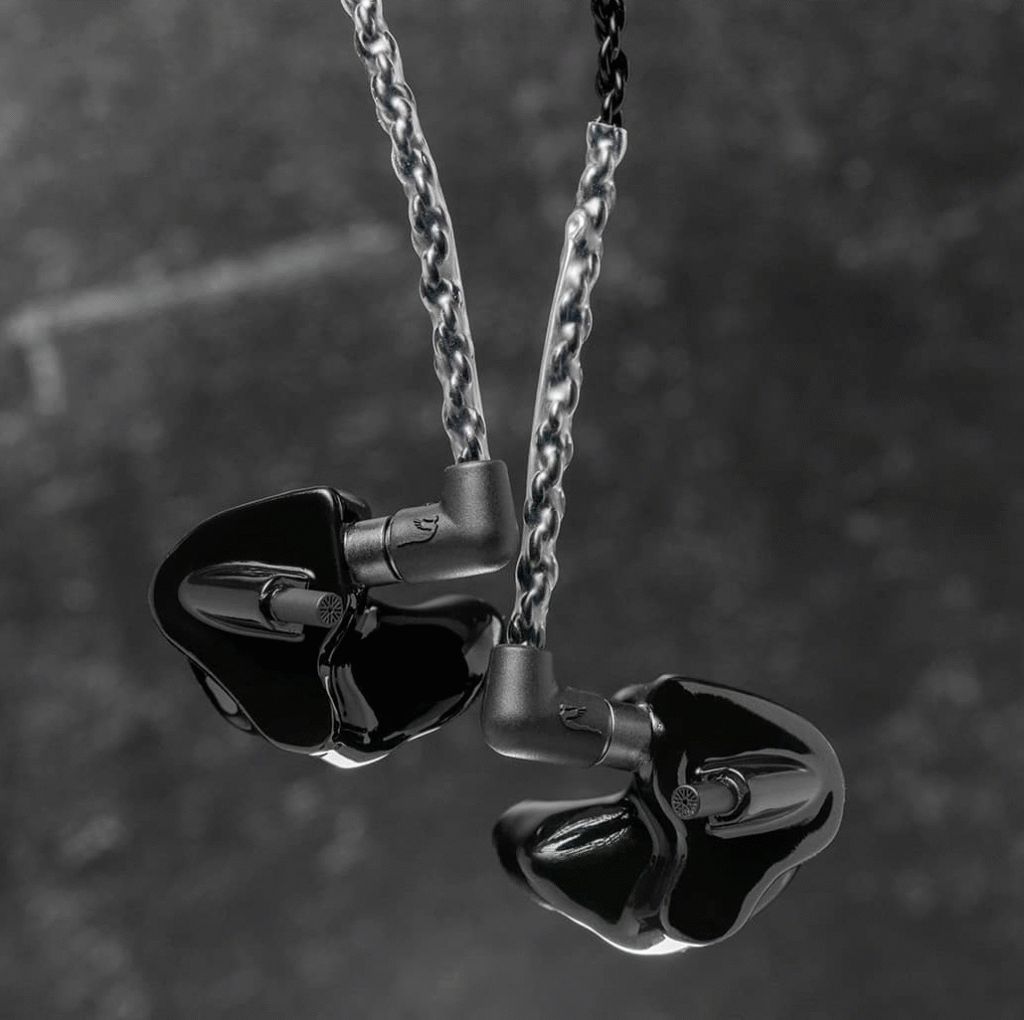
Custom IEMs are made from impressions of your ears.

They offer:

  • A secure and comfortable fit
  • Better noise isolation
  • Improved sound quality
  • Reduced risk of the monitors working loose during performances
  • Greater comfort during long rehearsals and shows

For professional and regular performers, custom in-ear monitors are often the preferred choice.


Signs you could benefit from in-ear monitors

You may want to consider in-ear monitors if:

  • You struggle to hear yourself on stage
  • You regularly experience ringing in your ears after performances
  • You find monitor mixes inconsistent between venues
  • You perform in loud environments frequently
  • You want greater control over your sound
  • You are looking for ways to manage your noise

 Looking after your hearing as a musician

In-ear monitors can be an excellent tool, but they should form part of a wider hearing health strategy.

We recommend:

  • Regular hearing tests
  • Custom hearing protection for rehearsals and live events
  • Monitoring listening levels
  • Taking listening breaks where possible
  • Seeking advice if you notice tinnitus, muffled hearing or sensitivity to sound

Custom In-Ear Monitor (IEM) Impressions

The quality of your IEMs starts with the quality of your ear impressions. As each manufacturer has specific impression requirements, it’s important to choose your IEM brand before your appointment.

Book an appointment

Our team at Musicians’ Hearing Services provides custom in-ear monitors, hearing protection and specialist hearing assessments for musicians.

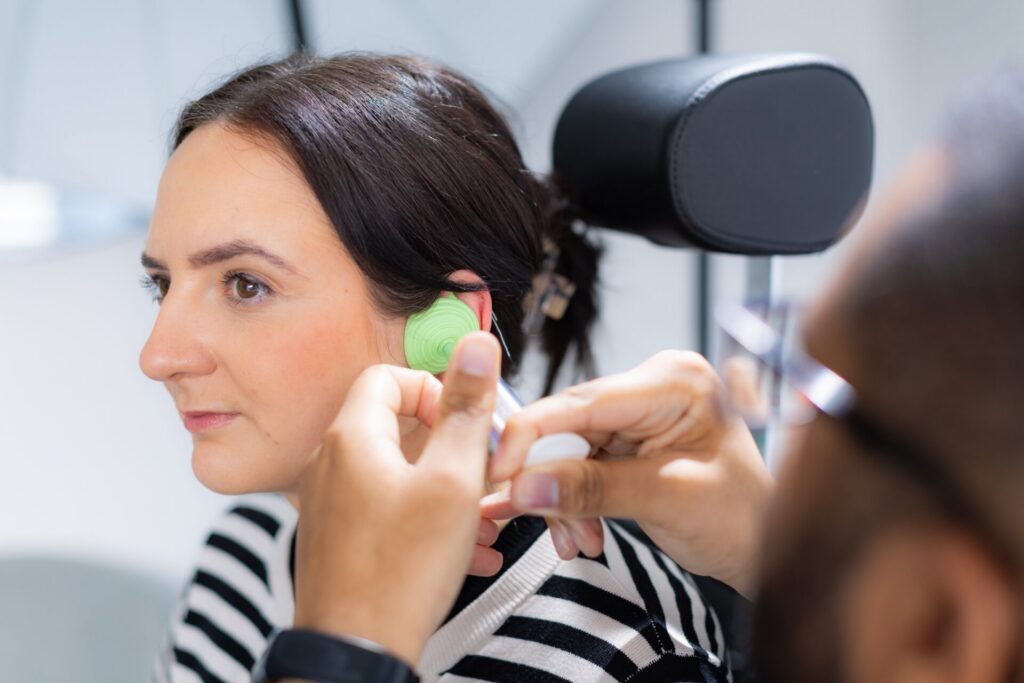
Our qualified audiologists take deep ear impressions using a fast-setting silicone material to ensure a precise fit, excellent acoustic seal, and the best possible sound quality. Your custom IEMs are then built specifically to the unique shape of your ears.

Unlike many providers, all impressions are taken exclusively by fully qualified audiologists with a minimum of four years’ clinical training and additional post-qualification experience. We’re also the recommended UK audiologists for all major IEM brands.

We can arrange the manufacture of your custom IEMs or send your impressions directly to your chosen manufacturer. Book your appointment today and stay in control of your hearing – contact us here.


How Tinnitus Therapy Helped Joe Reconnect with Music

For 36-year-old musician and music production graduate Joe, sound has always been central to both his career and identity. But when intermittent ringing in his ears developed into constant tinnitus, it began to affect far more than his hearing.

When tinnitus became impossible to ignore

At first, Joe only experienced occasional episodes of tinnitus. Over time, however, the ringing became constant in both ears, making it difficult to concentrate and enjoy everyday life.

“It was a really difficult period,” Joe explains. “As a musician, it felt like opportunities were slipping away and I couldn’t focus on anything properly.”

The impact extended beyond his professional life. The persistent noise affected his confidence, mood, and connection to the things he enjoyed most.

“I felt like my connection to music, and even to normal conversation, was being taken from me,” he says. “It was hard to ignore the ringing, and it was affecting my confidence.”

Finding the right support

Joe first became aware of Harley Street Hearing through the Musicians’ Hearing Health Scheme, where he accessed discounted hearing protection. Later, with support from BAPAM and the Royal Society of Musicians, he was able to pursue specialist tinnitus therapy.

Seeking help, Joe returned to Harley Street Hearing and met audiologist Jordon Thompson.

From the outset, Jordon focused on helping Joe understand not only his tinnitus, but also how hearing and the brain work together.

“Jordon explained everything clearly and in detail,” Joe says. “It wasn’t just about tinnitus therapy. Learning more about hearing itself helped me feel more in control and less anxious about what I was experiencing.”

A personalised approach to tinnitus management

Joe’s tinnitus management programme combined several evidence-based approaches designed to reduce the impact of tinnitus on daily life.

He was fitted with sound generators programmed with Widex fractal tones to support habituation, alongside one-to-one sessions focused on mindfulness techniques and tinnitus-specific cognitive behavioural strategies. Over a three-month period, the aim was to help his brain gradually deprioritise the tinnitus signal and reduce its emotional impact.

As the programme progressed, Joe began to notice significant improvements.

Regaining confidence

Today, Joe is far less aware of his tinnitus and feels better equipped to manage it when it does become noticeable.

“I’m much less aware of the ringing in day-to-day life, and when I do notice it, it doesn’t distress me emotionally,” he explains.

Understanding how common tinnitus is has also helped change his perspective.

“I feel part of a community rather than isolated,” he says.

Most importantly, Joe feels he has regained his confidence and can focus on the future without fear that tinnitus will define his life or career.

“I feel like I can move forward knowing I have the tools to manage tinnitus, and that I can always reach out for support if I need it.”

Advice for others experiencing tinnitus

For anyone struggling with tinnitus or hesitant to seek help, Joe encourages them to take the first step.

“Confronting hearing difficulties can feel scary at first, but the experience has been completely positive for me,” he says. “The professionals genuinely care, and I actually feel more connected to music and musicians than I did before.”

Reflecting on his journey, Joe is clear about the difference the right support has made.

“I worried that tinnitus might stop me from doing what I love. Thanks to the guidance, care and understanding I received, I’ve learned that it doesn’t have to.”

If tinnitus is affecting your daily life, specialist support can help you understand your symptoms and develop practical strategies to manage them. Contact Harley Street Hearing to find out more about our tinnitus services or to book an appointment.

Tinnitus and Musicians: Why It Happens and How to Protect Your Hearing

For musicians, sound is everything. But being around high volumes day in, day out can take its toll.

Tinnitus is one of the most common hearing concerns among musicians. It’s often described as ringing, buzzing or a high-pitched tone in the ears. For many, it starts small. You notice it after a gig or rehearsal, then it fades. Over time, it can begin to last longer or become more noticeable.

At Musicians’ Hearing Services, this is something we see every day. The difference is often down to timing. Those who act early are far more likely to reduce their risk of long-term problems.

What is tinnitus?

Tinnitus is when you hear sound that isn’t coming from anything around you.

It can come and go, or become more constant over time. While it is not a condition in itself, it is usually a sign that your hearing system is under strain, most often from repeated noise exposure.

Why musicians are more at risk

Loud environments are part of the job

Rehearsals, performances and studio sessions regularly go above safe listening levels. It is not just about how loud it is in the moment. It is the build-up over time that matters.

You are close to the sound

Standing near amps, drum kits or monitors means the sound is hitting your ears directly and consistently.

Hearing protection is often inconsistent

Many musicians avoid standard earplugs because they affect sound quality. That often leads to wearing them some of the time, or not at all.

Early signs get ignored

Ringing after a gig is easy to brush off. But it is one of the clearest signs your ears are under strain. If it keeps happening, it can lead to longer-term changes.

There is pressure to push through

Long sessions and loud environments are often seen as normal. Hearing health tends to fall down the priority list until symptoms become harder to ignore.

How to reduce your risk of tinnitus

You do not need to make drastic changes. It is about small habits done consistently.

  • Use musician earplugs – Custom earplugs lower the volume without distorting the sound. You still hear clearly, just at a safer level.
  • Give your ears a break – Step away from the noise when you can. Even short breaks help your ears recover.
  • Pay attention to changes – If you notice ringing, muffled hearing or sensitivity to sound, do not ignore it. These are early warning signs.
  • Adjust your setup – Small changes can make a real difference. Move speakers where possible, manage monitor levels and avoid unnecessary exposure.
  • Get your hearing checked – Regular hearing tests help pick up changes early, often before they become more serious. For musicians, this should be part of routine care.
  • Act early to stay in control – Tinnitus is common among musicians, but it is not something you have to accept as inevitable. With the right approach, you can reduce your risk and keep performing with confidence.

If you are noticing ringing or any changes in your hearing, it is worth getting it checked early.

Book an appointment

Our team at Musicians’ Hearing Services offers specialist support for musicians, from hearing consultations and tinnitus management, to tailored hearing protection.

Book your appointment today and stay in control of your hearing – contact us.

Hearing Protection for Musicians

Musicians rely on their hearing every day, from personal practice at home to performing on stage. In a world that is becoming increasingly noisy, music further contributes to your sound exposure. Without protection, repeated exposure can lead to hearing damage, tinnitus, and difficulty picking out subtle musical details, as well as impacting how you hear speech. Using the right hearing protection is essential to preserve your hearing while still enjoying music fully.

Why Hearing Protection is Needed

Even short periods of loud music can impact your ears, as there is an inverse relationship between safe exposure times and sound levels (the louder the sound, the shorter the time you can be safely exposed). Over time, this can cause permanent damage to your hair cells, which are responsible for transmitting sound to the brain. Musicians are particularly at risk because they are often exposed to sustained high decibel levels during rehearsals, performances, or studio sessions. Hearing protection helps reduce this risk while allowing you to hear music clearly. Essentially, hearing protection reduces the exposure level to allow you to listen safely for longer.

Giving Your Brain Time to Adjust

When you’re new to hearing protection, it takes some getting used to. Your brain needs time to acclimatise to the reduced attenuation, which can feel different at first. In an ideal situation, you should use the hearing protection for the full duration that you could be exposed to unsafe sound levels, but if you’re struggling to get used to them, you can start by using it during shorter practice sessions and gradually increase the duration. With regular use, you will notice that music remains clear and balanced, and your ears feel less fatigued.

Different Filter Levels for Different Situations

Music has such a wide range of genres to enjoy. Some instruments and ensembles are louder than others, meaning that there isn’t a one-size-fits-all option for attenuation. Different hearing protection filter levels can help you hear accurately while protecting your hearing and not reducing attenuation more than required. For example, a drummer or guitarist may need higher attenuation than a classical violinist during practice. Musicians can choose filters that reduce volume evenly across frequencies, keeping the tonal balance intact while lowering overall sound levels.

Off-the-Shelf Earplug Options

Nearly everyone will have experience of the small fluorescent foam earplugs which are great for industrial noise, but typically block too much out for use with music. So, it’s a relief to know there are many ready-to-use earplugs designed for musicians, such as ACS Pacato and Alpine Music Safe Pro. These are convenient and affordable, offering moderate protection with minimal impact on sound quality. They are a good option for when you need hearing protection quickly. Many models use a flat attenuation design to preserve the natural tone of music while reducing volume.

Upgrading to Custom Moulds

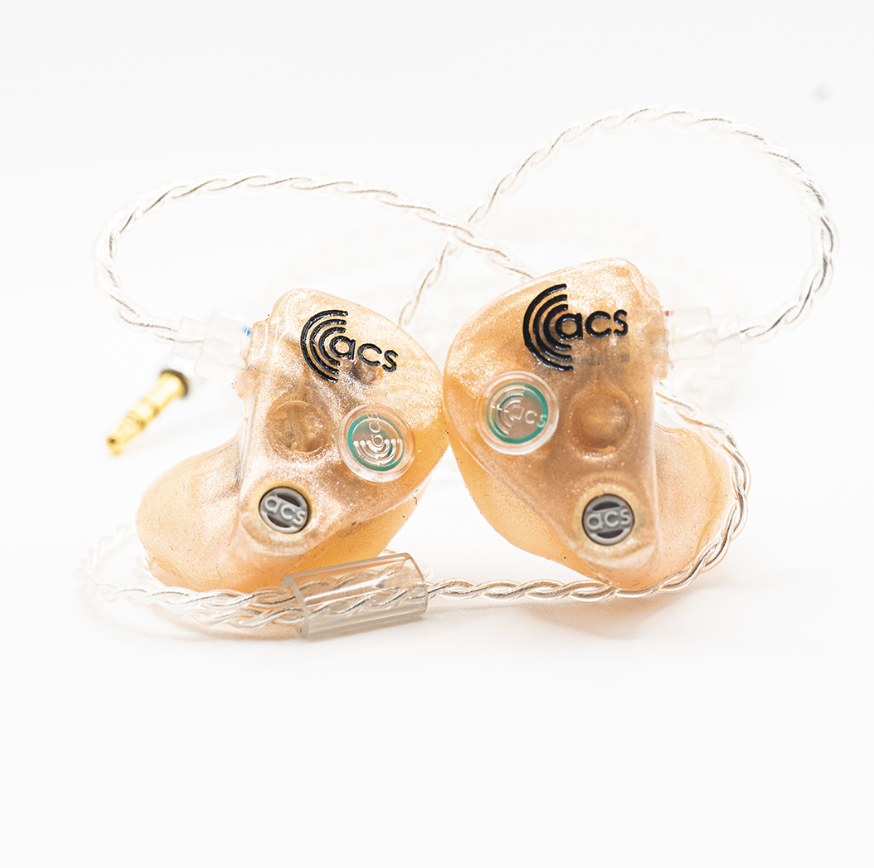
For musicians who are searching for the greatest clarity with music, custom-moulded earplugs are the best choice. These are made from impressions of your ears, ensuring a perfect fit and superior comfort. Custom options often come with the ability to interchange filters for different noise levels or situations, making them versatile for studio work, live performance, and practice sessions. They provide consistent protection and preserve the full detail of music across all frequencies due to their flat attenuation.

Choosing the Right Hearing Protection

Selecting the right hearing protection depends on your instrument, typical sound levels, and how often you perform or rehearse. While off-the-shelf earplugs are a great start, custom-moulded options offer the best long-term protection and sound fidelity. Speak to an audiologist who understands the needs of musicians. They can help you choose the right type of protection, fit it correctly, and advise on filter options so you can enjoy music safely for years to come.

If you are a musician looking for guidance on hearing protection, contact us. Our team of experienced audiologists can help you find the right solution to protect your hearing while keeping your music clear and vibrant.

Fiona Butterworth Takes Part in Hearing Health Panel

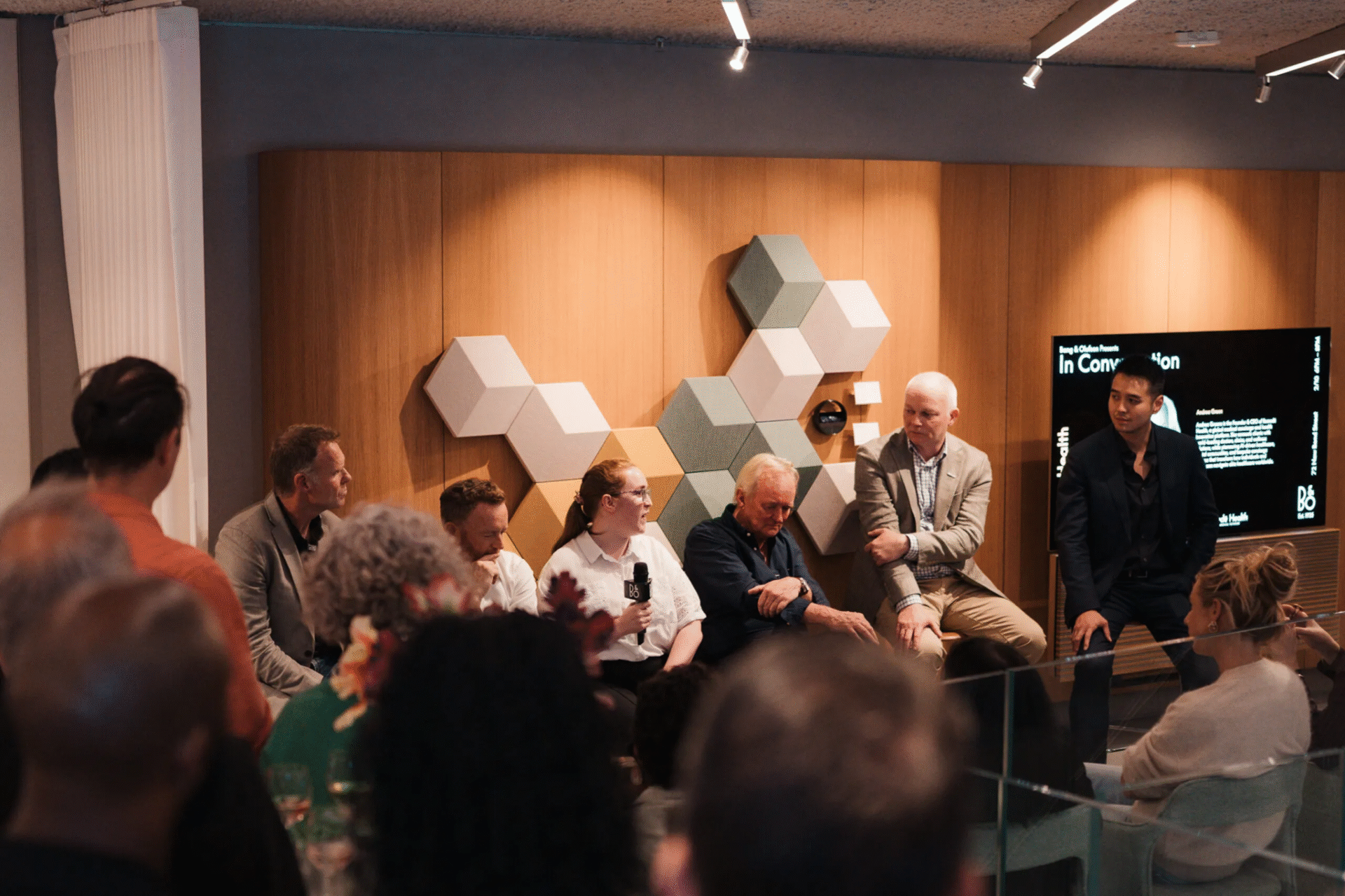
On Thursday 2nd October, I had the privilege of representing Harley Street Hearing and Musicians’ Hearing Services at a Hearing Health event hosted by Remedē Health and TinniSoothe at Bang & Olufsen Mayfair. The evening brought together experts and advocates to share insights on how musicians can protect their hearing without compromising their performance.

Learning from Fellow Experts

I was honoured to join a panel with Andrea Greene (Remedē Health), Howard Presland (TinniSoothe), Alex Brooks-Johnson (Tinnitus UK), Andy Shiach (ACS Custom), and Dr. Ryan Chin Taw Cheong (Cleveland Clinic London). Together, we explored practical strategies for hearing protection, managing tinnitus, and maintaining long-term ear health.

The discussion covered custom in-ear protection, the importance of regular hearing checks, and personal experiences with tinnitus. One key takeaway from the evening was clear: early awareness and proactive prevention are essential for preserving hearing in the music industry.

It was inspiring to meet so many people who share my passion for hearing health and are committed to raising awareness. I’m particularly excited about the future of tinnitus management and how it can help musicians continue their careers safely.

About Me

As Clinical Lead at Harley Street Hearing and Musicians’ Hearing Services, I support musicians and performers across the UK with hearing aid technology, custom hearing protection, and personalised education. Helping artists protect their hearing so they can stay connected to the sounds they love is at the heart of what I do.

Contact Us

If you’re interested in learning more about protecting your hearing or want personalised advice, I can guide you on strategies that let you perform confidently while safeguarding your ears. Contact us to book a consultation.

Geo’s Hearing Aids Restored the Music They Had Been Missing

For music producer and songwriter Geo, sound is more than just hearing, it is how they connect with the world. Having relied on hearing aids for years, they began noticing that some frequencies, especially in the low and mid ranges, were becoming harder to hear. This was affecting not only daily life, but also their music.

“I had been using the same hearing aids for about six years,” Geo explains. “I did not realise at first how much of the sound spectrum I was missing. Chords and bass lines were not clear in my tracks, and it was subtly affecting my creativity.”

Finding the right support

At the time, Geo’s audiologist was overseas, making it hard to get regular adjustments or specialist care tailored to a musician’s needs. Discovering Harley Street Hearing through the Musicians’ Hearing Health Scheme was a turning point.

They booked an appointment with audiologist Fiona Butterworth, whose understanding of both music and hearing health made an immediate impression. “Fiona’s attention to detail convinced me to choose Harley Street Hearing,” Geo says. “Having someone local who understands a musician’s needs has been invaluable.”

The right technology

After a thorough consultation, Geo was fitted with Phonak Audéo Lumity hearing aids. Fiona explained the different technology levels and why this model, with its music-friendly accessories and advanced sound processing, would suit their lifestyle.

The results were immediate. “When I first put them on and listened to my music playlist, I heard details I had never noticed before,” Geo recalls. “The clarity across low and high frequencies was incredible. It completely changed how I experience music.”

Life-changing features

The hearing aids’ dedicated music mode has been transformative, allowing Geo to hear layers of sound previously missed. Speech-in-noise mode has also made everyday conversations much easier, helping them focus on voices while tuning out background noise.

Adjusting took some time, as expected, but over a year later, Geo cannot imagine going back. “Your brain adapts,” they explain. “Now I can fully appreciate the detail in music again. It has been life-changing.”

The importance of ongoing care

Geo credits much of their success to Fiona’s ongoing support. “She is the only audiologist I see now. Fiona takes time to troubleshoot, explains the settings, listens to my needs, and even supports me with urgent appointments and funding applications. I honestly could not ask for more.”

Back to enjoying music

Today, Geo feels confident in both the studio and daily life. Their hearing aids are discreet, reliable, and perfectly tailored, allowing them to create, perform, and enjoy music with clarity they once thought was lost.

“If you are a musician worried hearing aids might hold you back, do not be. With the right support, they can give you so much back.”

For musicians or music lovers looking to enhance hearing and experience music fully, professional audiology support can make all the difference. Contact us to find out more about hearing aids tailored to your needs

How Tinnitus Management Helped Luke Stay in Control of His Music

For 29-year-old trumpet player Luke, music has always been at the heart of his life. Years spent performing live had immersed him in powerful, complex sound, but when he started noticing a persistent ringing in his right ear, everything changed.

The first warning signs

At first, the tinnitus was subtle, but in quiet hotel rooms while on tour, it became impossible to ignore. “Sleeping was difficult, and I worried constantly about how this might affect my career,” Luke explains. “Knowing that tinnitus in one ear can sometimes indicate more serious issues added to the stress.”

Seeking expert advice

Luke discovered Harley Street Hearing through the Musicians’ Union and booked a consultation to assess his hearing health. He wanted to identify any factors contributing to his tinnitus, explore custom earplugs to protect his hearing, and trial in-ear monitors (IEMs) for safer, controlled sound during performances.

His appointment with audiologist Matt Frost made an immediate impact. “Matt advised me to get NHS scans because the tinnitus was only in one ear,” Luke recalls. “Everything came back clear, which was a huge relief.”

Matt also explained how Luke’s years of standing on one side of a drum kit had likely contributed to the problem and guided him on consistent hearing protection.

“Matt really understood what it meant to be a professional musician,” Luke says. “He’s around my age and knows the realities of life on tour. Having that support was invaluable.”

Taking control of his hearing

Today, Luke feels informed, reassured, and empowered. By following Matt’s guidance on safe noise exposure and using custom ear protection, his tinnitus has reduced and become a useful signal rather than a constant stressor.

“My tinnitus now acts like a warning system,” he explains. “If it spikes, I know the environment is too loud and I need protection. In a way, I’m grateful for it.”

Adjusting to new tools

Learning to use IEMs as a trumpet player came with challenges. The occlusion effect—feeling “blocked in” while playing—made the adjustment tricky at first. Over time, however, Luke became comfortable with them.

“Most importantly, I know I am protecting my hearing and safeguarding my career,” he says. “It’s completely worth it.”

Advice to fellow musicians

Luke’s message is simple but vital: “Prevention is the best medicine. Don’t ignore the warning signs. Take action early to protect your hearing while still enjoying the music you love.”

Whether you’re dealing with tinnitus, exploring custom hearing protection, or considering IEMs for safer stage sound, expert guidance can make all the difference. Contact us today to find out how to protect your ears and your career.

How Hearing Aids Helped Elena Tune Back into Music

For Elena, sound has always been a lifeline. As a professional musician with a visual impairment, her ears connect her to the world in ways most of us take for granted. Yet, over time, she began to notice subtle changes that made her question whether her hearing was still as sharp as it needed to be.

The first signs

Elena’s awareness of potential hearing difficulties started with a message from the Musicians’ Union encouraging members to check their hearing. It struck a chord. She remembered the trauma of the 7th July 2005 attacks in London and wondered whether her hearing changes were real or just a product of her imagination.

“At first, I couldn’t tell if something was wrong,” Elena recalls. “Because of my visual impairment, I rely on hearing more than most. It’s how I navigate the world and my music.”

At the time, living in Scotland, she had tried NHS hearing aids. They helped, but her professional needs were complex, and she longed for a solution that fit both her musical career and her daily life.

The impact on daily life

Before finding the right support, Elena often felt frustrated and isolated. “I struggled to follow conversations, and once I even sang the wrong note while harmonising,” she shares. “Having to constantly ask people to repeat themselves was embarrassing.”

The challenges weren’t limited to music. Crossing streets or navigating busy areas became daunting. “I rely on hearing to cross safely. When I couldn’t hear properly, I felt nervous and unsure. I might have annoyed a few motorists too,” she says with a laugh.

Finding specialised support

Elena reached out to the Royal Society of Musicians, who guided her toward more tailored options. That led her to Harley Street Hearing, where audiologist Matthew Allsop took the time to understand her unique situation.

“Matthew has been incredible,” Elena says. “He listens carefully, not just to what I say, but to what I need as a musician and as someone visually impaired.”

After a detailed discussion of her hearing challenges, Matthew recommended Widex Moment RIC hearing aids. These devices adapt automatically to different environments, reducing the constant need for manual adjustments.

“One of the things I love most is that the aids adjust themselves,” Elena explains. “I can also tweak settings using the Widex app when necessary. It’s made life so much easier.”

Life with hearing aids

Adjusting to her new hearing aids was smooth, and four years later, Elena has noticed profound improvements.

“I no longer sing off-key, I can tune my instrument accurately, and I feel more confident moving around,” she says. “Social situations are easier, too, though public spaces still have room to become more hearing-friendly.”

Elena emphasizes the importance of a collaborative relationship with an audiologist. “Many people don’t know what to ask for or how to describe their struggles. Having someone who listens and adapts makes all the difference. Without Harley Street Hearing, I’d probably still be missing out.”

Back in tune with life

Today, Elena feels fully reconnected to her music, independence, and the world around her.

“My life has changed completely,” she reflects. “Finding an audiologist who truly understands your needs is transformative.”

Experience the difference personalised hearing care can make. Contact us to see how we can help you reconnect with the sounds you love.

Showcasing Hearing Health at the ABO Conference 2025

I was delighted to attend and exhibit at the annual conference of the Association of British Orchestras (ABO) in London with our Marketing Manager, Lauren Culver, on behalf of Musicians’ Hearing Services. Bringing together the classical music industry in the UK, the conference hosted more than 300 delegates, including orchestras from the UK and overseas, as well as venues, agents, publishers, and suppliers. The event provided a fantastic opportunity for us to engage directly with the orchestral community, foster meaningful connections, and raise awareness about hearing health for musicians.

Exhibiting at the ABO Marketplace

At the heart of the conference was the ABO Marketplace, where we met delegates, answered questions, and showcased everything Musicians’ Hearing Services does to support musicians’ hearing. We exhibited alongside Air-Edel, Sottovoce, John Good Ltd, Learning for Good, Musica Baltica, Carnegie Hall, RATstands, Classical Music Magazine, and Operabase.

It was wonderful to connect with so many individuals and organisations who care just as much as we do about hearing health in the music industry. The Marketplace offered a lively and inspiring space to exchange ideas and explore how we can better support musicians’ wellbeing across the UK.

Sessions and Speakers

The conference opened with welcome speeches from Sophie Lewis, Mark Ball, and Judith Webster, setting the tone for thoughtful discussions across the sector.

Highlights of the sessions included:

  • Vision, Mission, Purpose – Led by Sophie Lewis with insights from Anthony Roth Costanzo, exploring how orchestras define their purpose beyond survival.
  • What Does Your Mission Say About You? – Thorben Dittes quizzed sector volunteers including Andrew Burke, Emma Stenning, Catherine Arlidge, and Rory Jeffes on aligning mission with social impact, business models, and daily operations.
  • Deep Dive: Who Calls the Shots? – Facilitated by Toks Dada, Thorben Dittes, and Kate Whitley, examining artistic decision-making models and their impact on audiences.
  • Creative Health – Chaired by Thahmina Begum, with Laura Waters, Charlotte Osborn-Forde, Dr Simon Opher MP, Fiona Lambert, and Alex Brierley, exploring how orchestras transform lives through health and wellbeing initiatives.
  • Education – Supported by Carnegie Hall’s Link Up programme and chaired by Sophie Lewis, featuring Dame Rachel de Souza, Dr Adam Whittaker, Dr Anthony Anderson, and Jillian Barker, reflecting on the orchestral sector’s role in UK music education.
  • Politics & Polarisation – Chaired by Sarah Bardwell, with Rachel van Walsum, Jessica Duchen, Simon Webb, and Katy Hamilton, discussing orchestras navigating politically charged programming and public response.
  • Devolution – Led by Professor Katy Shaw, alongside Dougie Scarfe, Fran Hegyi, Claire Mera-Nelson, and Mat Flynn, examining how regional decision-making shapes the arts sector.
  • Question Time – Chaired by Jamie Njoku-Goodwin, featuring Dame Caroline Dinenage MP, Baroness Barbara Keeley, Anna Sabine MP, Dame Kathryn McDowell, and Elaine Bedell, fielding audience questions on key sector issues.
  • The Orchestral Future: AI for Culture – Led by Jocelyn Burnham, exploring opportunities and challenges of artificial intelligence in orchestras.
  • Environmental Sustainability – Chaired by Nick Jackman, with James Hardie, Katie Sterland, and Katy Raines, discussing how orchestras can act purposefully on climate issues.
  • Classical Cut Through & Digital Engagement – Dr Sarah Price led this session with Maddy Shaw-Roberts, George Chambers, Hannah Fiddy, and Katy Rogers-Davies, sharing strategies to remain relevant in the digital landscape.
  • Power Sharing & Inclusion – Facilitated by Kate Whitley, with Anne Torreggiani and Euella Jackson, focusing on inclusive leadership and broadening voices in orchestras.
  • Creating Orchestral Theatre – Aurora Orchestra’s team, including Jane Mitchell, Jessie Maryon-Davies, Kate Wakeling, and musicians from the orchestra, demonstrated production processes and designing performances for diverse audiences.

Looking Ahead

Exhibiting at the ABO Conference reinforced for me just how collaborative and forward-thinking the classical music sector is. We look forward to continuing these conversations and supporting orchestras across the UK through Musicians’ Hearing Services, helping ensure the joy of music can be heard clearly, safely, and for years to come.

Written by Fiona Butterworth – Clinical Lead