Author: Mandy Lewis

Double Hearing Explained: What is Diplacusis?

If you’ve ever felt like sounds don’t quite match up between your ears, maybe one note sounds slightly higher in one ear than the other or you notice an odd echo effect, you could be experiencing something called diplacusis, often described as “double hearing.”

It’s not very common, but for those who do experience it, it can be disorientating and sometimes worrying. The good news is that diplacusis is usually linked to an underlying cause, and with the correct treatment and care, the symptoms typically resolve.

What is diplacusis?

Diplacusis is the medical term for “double hearing.” This occurs when the same sound is perceived differently in each ear. For example, a note played on a piano may sound like two separate notes, one slightly sharper or flatter than the other.

Most of the time, our ears work together to deliver a single, unified sound to our brain, in the same way that our eyes do with images. But when diplacusis occurs, that harmony is disrupted, leading to two versions of the same sound. It’s similar to experiencing double vision, but with your hearing.

What does diplacusis sound like?

People with diplacusis usually notice one of two main types:

  • Pitch difference (diplacusis dysharmonica): The same sound is heard at different pitches in each ear, for example one ear hears “C” while the other hears something closer to “C sharp”.
  • Echo effect (diplacusis echoica): Sounds arrive at slightly different times in each ear, creating an echo-like sensation.

Both can make listening to music, following conversations, or even everyday sounds feel unusual and unsettling.

What causes double hearing?

Diplacusis is often linked to issues affecting one ear more than the other. Common causes include:

  • Hearing loss that is uneven between ears, known as asymmetrical hearing loss.
  • Sensorineural hearing loss, often related to ageing or long-term noise exposure.
  • Ear blockages, such as earwax, infection, or fluid behind the eardrum.
  • Ear or head trauma, injuries that affect the inner ear or hearing nerve.
  • Medications or conditions, such as Ménière’s disease or ototoxic drugs.

In some cases, musicians notice diplacusis earlier than others because of their heightened sensitivity to pitch and tone.

Can diplacusis be treated?

The treatment depends on the cause. For example:

  • If it is related to earwax or infection, removing the blockage often resolves the issue.
  • If it is linked to hearing loss, hearing aids may help balance sound between your ears and reduce the sensation of double hearing.
  • In more advanced cases of hearing loss, cochlear implants may be recommended.

Other approaches, such as sound therapy or auditory training, may also help the brain adjust to differences between the ears.

When should you see a specialist?

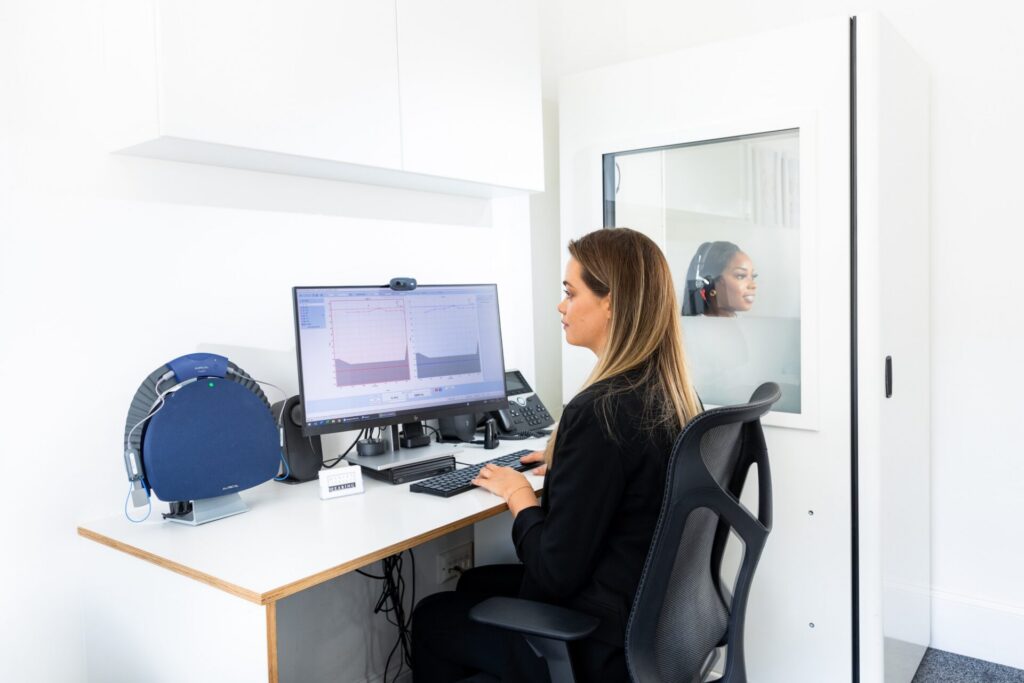
If you notice that sounds don’t quite match between your ears, especially if this happens suddenly, it’s important to book an appointment with an audiologist. At Harley Street Hearing and Musicians’ Hearing Services, our expert team can carry out a full hearing assessment, check for any underlying medical issues, and recommend the most appropriate treatment. We’ll help identify the cause and find the best way forward, so you can return to hearing clearly and comfortably again.

Want to know how we can help your hearing? Call us on 020 7486 1053 or complete the form below.

Written by Harley Street Hearing and Musicians’ Hearing Services Clinical Lead’s Jordon Thompson and Romy Cohen

How Hearing Aids Helped Chris Fall in Love with Music Again

For Chris, music has always been more than a hobby – it’s a passion and part of his identity. With a background in hi-fi and a deep love for sound, he spent countless hours enjoying the richness of live performances and recorded music. But gradually, something began to change.

When music started to fade

Over the course of three years, Chris noticed that the sound he loved no longer felt the same. His hi-fi system seemed dull, the clarity of instruments was missing, and live performances lacked the vibrancy he remembered.

“I’ve got a background in music. I love music and hi-fi. I think this is one of the reasons I didn’t do anything about it,” Chris admits. “I felt it would be detrimental to my enjoyment of listening to music.”

The fear of losing the joy of music stopped him from seeking help – but it also meant he was missing out on more than just melodies. Everyday conversations at work and home became harder to follow, leaving him frustrated.

Finding the courage to act

Eventually, Chris realised he could no longer ignore the impact hearing loss was having on both his music and his daily life. After researching online, he discovered Harley Street Hearing through the HearingTracker YouTube channel and was impressed by the professional, approachable advice of audiologist Matthew Allsop.

He booked a consultation, where a thorough hearing test confirmed significant high-frequency hearing loss. Importantly, there was no pressure to make a decision – Chris felt supported and understood throughout.

Hearing music in full colour again

At his follow-up appointment, Chris was fitted with trial hearing aids. What happened next took him by surprise.

Over six weeks – at work, at home, and even on holiday in Italy – the difference was extraordinary. Conversations were clearer, meetings became manageable again, and most importantly, music came back to life.

“Music sounded vibrant and full again,” Chris says. “Whenever I took the hearing aids out, I realised just how much I’d been missing.”

A shared understanding

Chris credits much of his positive experience to his audiologist, Fiona Butterworth, who also has a background in music. She immediately understood his concerns about sound quality and tailored the hearing aids to ensure his enjoyment of music was protected.

“She was very thorough, explained everything very well, and gave me lots of options,” Chris recalls. “Her professionalism and follow-up care gave me complete confidence.”

The right solution

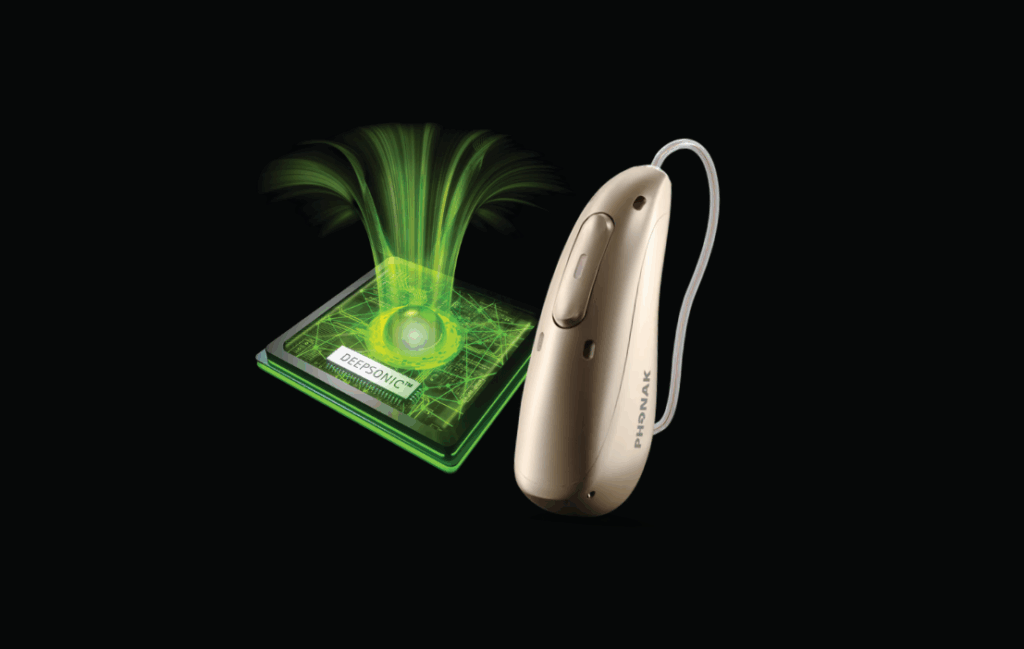
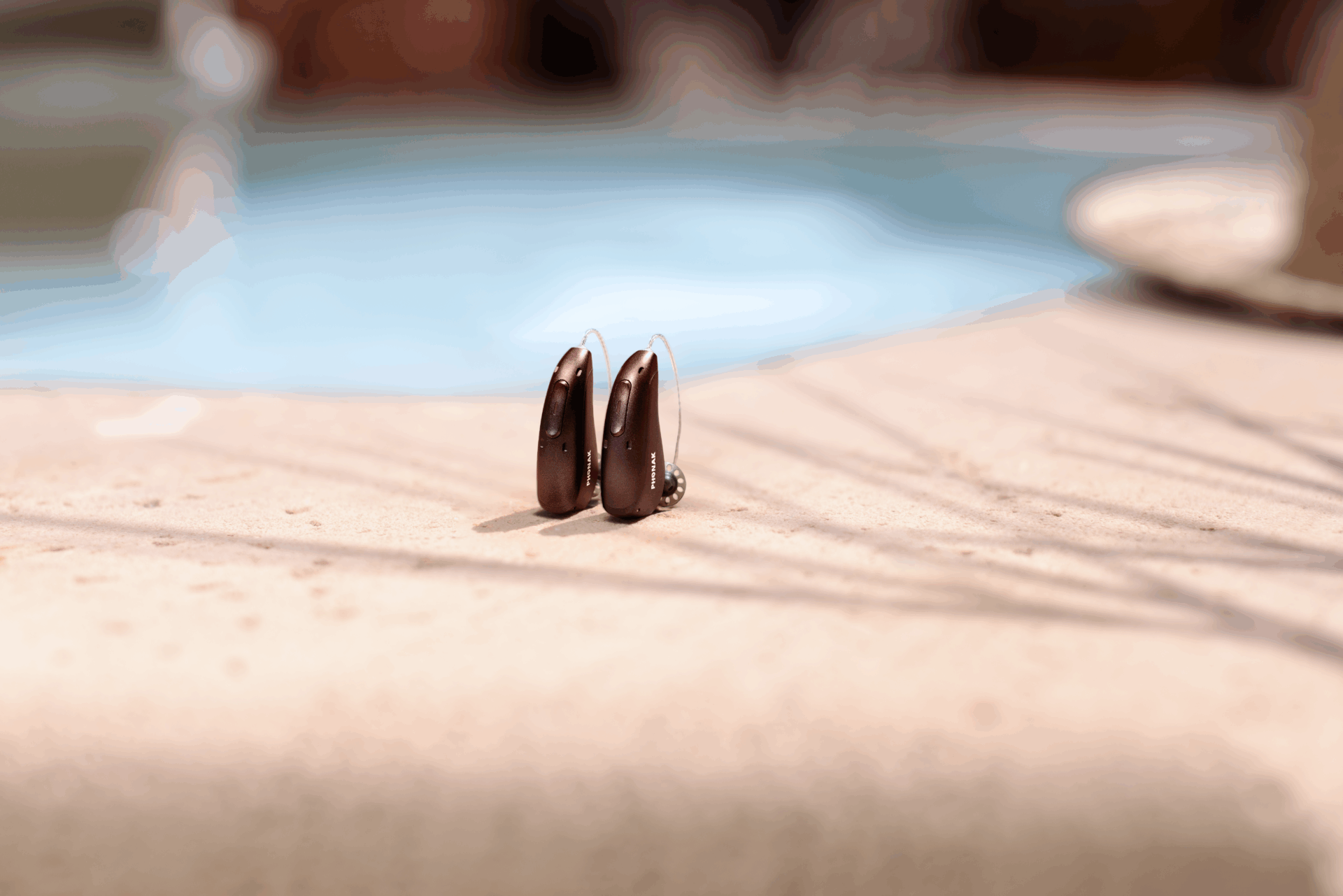
Chris ultimately chose Phonak Audéo Infinio Sphere hearing aids, which are discreet, comfortable, and easily customised through the app. They’ve transformed his daily life – but for him, the biggest success is being able to enjoy music the way he always has.

“Life feels much richer now,” he reflects. “Whether I’m listening to my hi-fi, going to a concert, or just enjoying conversations, I finally feel like I’m back in the moment.”

Chris’ advice to others

For anyone hesitating to seek help because of a love of music, Chris has a clear message:

“Don’t delay because there’s no point. If you suspect you’ve got hearing loss, then you probably have. It’s worth finding out the severity. Don’t be scared about what people are going to think, because it’s really not as bad as it is in your own head.”

Want to know how we can help your hearing? Call us on 020 7486 1053 or complete the form below.

Hearing Aids for Musicians: What You Need to Know

For musicians, sound is more than just something you hear – it’s something you feel, interpret and express. If you’re a musician experiencing hearing loss, you may be wondering how hearing aids could affect your relationship with music.

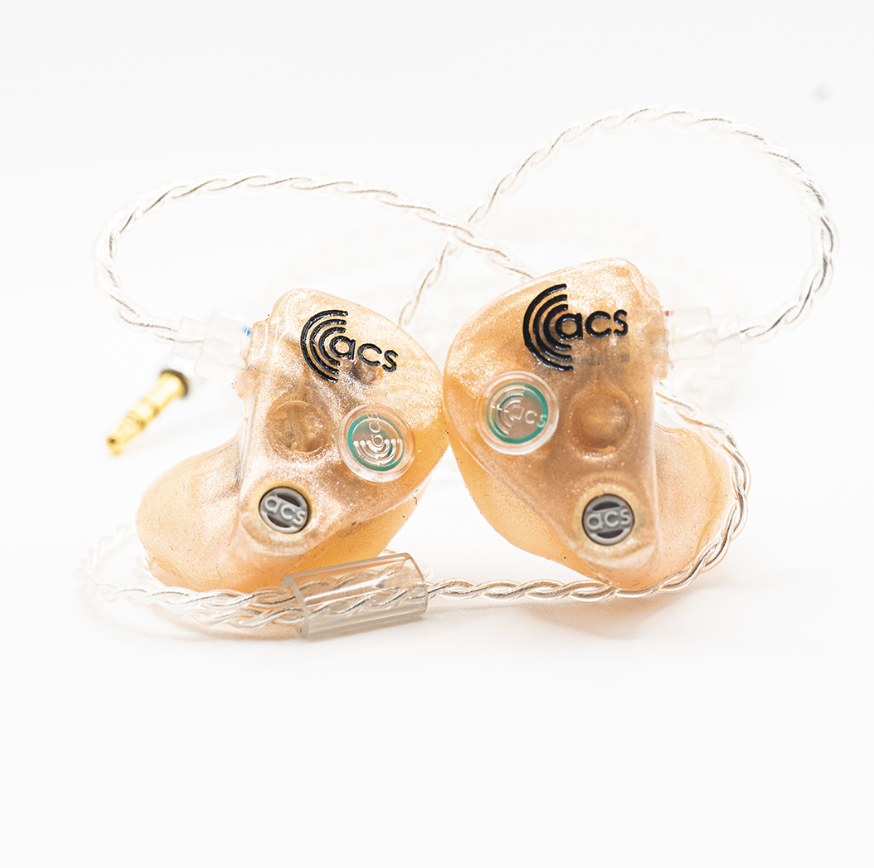
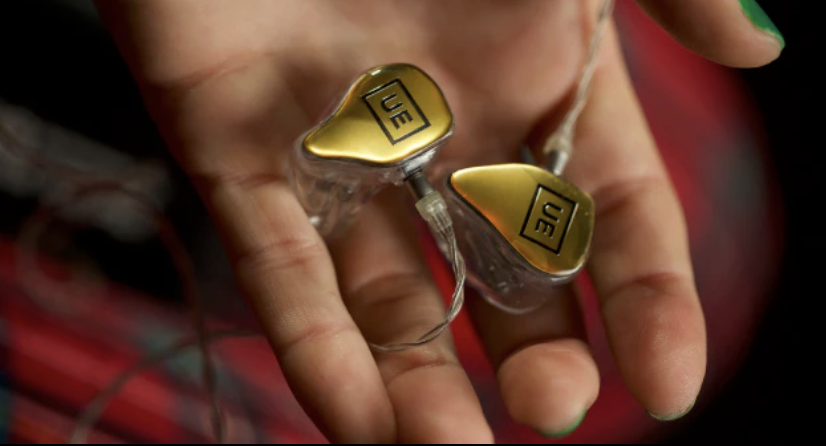
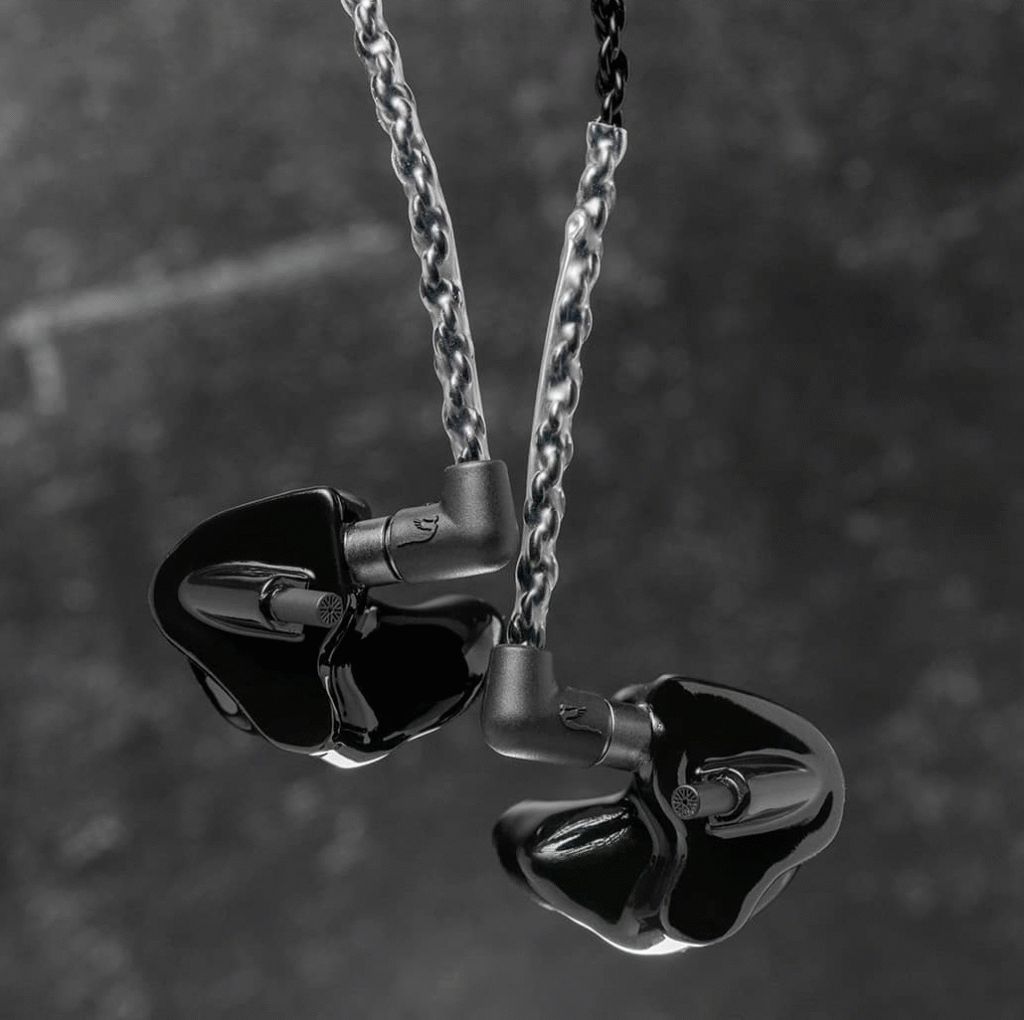
At Musicians’ Hearing Services, we’ve spent over 25 years supporting the entertainment industry with high-quality hearing care, from custom-made hearing protection and In-Ear Monitors to diagnostic testing to the latest hearing aid technology.

This guide outlines what to expect from hearing aids as a musician, how they can be fine-tuned for musical listening, and the crucial role your audiologist plays in optimising your experience.

Sound Quality

Your experience with the sound quality of music plays an important role in shaping our hearing aid recommendations.

If you are struggling to hear music clearly due to a hearing loss, then hearing aids can make a significant difference. Whereas, if you’re noticing changes in how you perceive pitch quality, and it doesn’t seem as strong as it used to be, we will ask specialised questions to better understand the nuances of your experience and guide you through the next steps of your journey.

A common concern among musicians is whether hearing aids distort music. The honest answer? Yes, but only if the hearing aid hasn’t been carefully programmed to optimise the sound quality for music.

Hearing aids are designed with speech in mind. Features that enhance speech clarity for conversation, can negatively impact the quality of music. To overcome this, it’s important to create dedicated settings that are tailored to your needs for you to use in musical spaces, without compromising your day-to-day conversation settings.

Tailored Recommendations

There’s no one-size-fits-all solution when it comes to hearing aids for musicians.

Your audiologist will use the information gathered during your assessment to recommend a hearing aid that aligns with your lifestyle, musical endeavours, and audiological requirements.

Depending on your goals, they may suggest hearing aids with features such as:

  • Adjustable feedback management
  • A wide range of frequency channels
  • App-based remote control to adjust settings in the moment

At Musicians’ Hearing Services, we offer hearing aids from all major UK manufacturers. As an independent practice, we’re not tied to any one brand. This means that we have access to the full range of hearing aids on the market, so you can be confident you’re getting the best solutions for your individual needs.

Curious about specific models? Explore the different hearing aids we work with in our Comparing the Best Hearing Aids of 2025 so far blog.

The Role of Your Audiologist

Even the best hearing aid technology won’t deliver the results you need straight out of the box.

Your audiologist plays a key role in getting the best performance from your hearing aids. At your first appointment, they’ll use various measurements to find the most optimal settings for speech. However, fine-tuning for music can take some more time, especially because listening to music is a personal and subjective experience.

At your follow-up appointment, your audiologist will take into account your initial impressions of how music sounds through the hearing aids. Based on your feedback, they’ll carefully consider adjustments to further improve the quality of music.

While there is much overlap in the terminology of the musical and audiological worlds, describing how something sounds isn’t always easy. So, rest assured our experience holds us in the best position to facilitate the translation of your experience into meaningful hearing aid adjustments.

Working with an audiologist who understands both hearing technology and musical nuance makes a significant difference. Our audiologists have extensive experience from working with musicians over the years and you’ll find that several of them are musicians themselves. They understand firsthand how important it is to preserve the richness and detail of sound.

Our admin team will help match you with the audiologist best suited to your needs and arrange your appointment accordingly.

Want to Learn More?

Matthew Allsop is a Partner at Harley Street Hearing and Musicians’ Hearing Services, as well as the global Video Content Manager at Hearing Tracker, sharing his honest, independent opinion on all new hearing technology. Hearing Tracker is the world’s first truly independent resource for hearing aid consumers. Check out his channel here to learn more.

To see Matthew’s review of the best hearing aid setting for music click below:


Contact Us

Here at Harley Street Hearing and Musicians’ Hearing Services, we have developed a series of steps to get the most out of your hearing aids for music, while still maintaining the best quality for speech. To book an assessment, contact us or call 020 7486 1053.

Christmas & New Year Opening Times

We’d like to wish all musicians a wonderful Christmas and New Year.

Here’s to a great 2025!

Should you have any hearing issues our opening hours over the festive period are as follows:-

DECEMBER

Tuesday 24th 8am – 1pm

Wednesday 25th (closed)

Thursday 26th (closed)

Friday 27th 9am – 5.30pm

Monday 30th 9am – 5.30pm

Tuesday 31st 8am – 1pm

JANUARY

Wednesday 1st (closed)

Normal hours resume from Thursday 2nd 8am – 5.30pm

Should you require ear wax removal you can book your appointment online over the festive period here.

For all other enquiries please complete the form below.

Exploring Hearing Health with Young Musicians

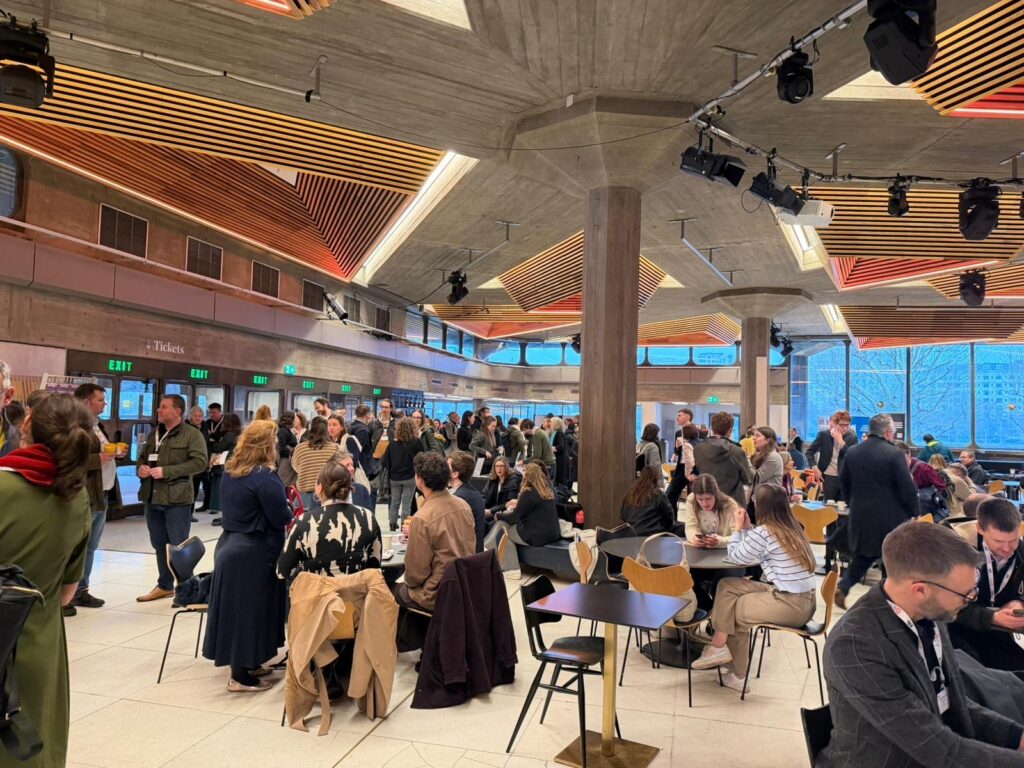
During the Spring residency of the National Youth Orchestra at Uppingham School in Rutland, Harley Street Hearing and Musicians’ Hearing Services collaborated with the orchestra for a Hearing Health Seminar. Led by Clinical Lead Fiona Butterworth, the seminar aimed to enlighten approximately 150 young musicians, aged between 13 and 18, about the intricacies of hearing health. This took place ahead of their much-anticipated performance at the Royal Festival Hall.

Fiona Butterworth captivated the audience with an engaging discussion, delving into topics such as hearing protection and dispelling common misconceptions.

Some of the feedback from members of the NYO highlighted the impact of the session:

“As someone passionate about music, I found it extremely beneficial to learn how to protect my hearing in the long term.”

“It’s eye-opening to realise the importance of maintaining good hearing, especially for musicians who often take it for granted.”

“This session was incredibly informative, shedding light on aspects of hearing I wasn’t aware of.”

The seminar sparked a significant shift in confidence levels regarding hearing health management. Initially, the average response to the question “how confident do you feel about managing your hearing health” was 2.8 out of 5, with most responses falling between 1 and 3 out of 5. However, by the session’s conclusion, the average response surged to 4.3 out of 5, with an overwhelming 96% feeling confident, rating 4 to 5 out of 5.

This transformation underscores the pivotal role of education and awareness in safeguarding the hearing health of young musicians. By arming them with knowledge and resources, we empower them to nurture their musical passion while prioritising their well-being.

NYO logo

As echoed by NYO members, it’s not just about preserving our ears—it’s about ensuring the longevity of our musical journey.

If your organisation is interested in our Hearing Health Seminars, please call us or complete below for more information.

Other articles you may be interested in:

How We Help Musicians With Hyperacusis

Reflecting on 8 Years of The Musicians’ Hearing Health Scheme

How we help musicians with hyperacusis

hyperacusis

How we help musicians with hyperacusis

Hyperacusis is a debilitating condition which causes sensitivity to loud sounds and can result from over-exposure to loud music. It’s prevalent in musicians and DJ’s and can be incredibly painful and disruptive to their careers. However, help is available.

hyperacusis

Musicians’ Hearing Services recently helped composer, producer and multi-instrumentalist, Paul Russell, manage his hyperacusis.

In an article published by Musicians’ Union, Paul shares his story:

“It started with the kids at home. Then I noticed it on trains or at the airport, the Tannoy systems or the beeping noise when the doors open. I do quite a lot of work as a front-of-house sound engineer. When I went to mix a concert, the drummer started playing the kick drum and it pinned me to the back of the wall. It was just completely impossible for me to be around that level of volume.”

After seeking advice from an ENT consultant, Paul contacted us for a second opinion. We were able to help him with a course of cognitive behavioural therapy (CBT) and fitted sound generators.

Click here to read the full article on Musicians’ Union.

Treatment for hyperacusis

At Musicians’ Hearing Services, we understand the frustration that conditions like hyperacusis can cause. We work with musicians and entertainment personnel to address their specific hearing challenges and devise treatment plans suited to their needs.

Are you struggling with hyperacusis? Get in touch with us to see how we can help.

Christmas Opening Hours

Musicians’ Hearing Services Opening Hours

We are open over the festive period. Please call 020 7486 1053 Option 1, or complete the form if you need advice or you’d like an appointment.


Hearing Clinic Opening Hours

DECEMBER

Friday 22nd 9am – 1pm 

Monday 25th (closed)

Tuesday 26th (closed)

Wednesday 27th 9am – 5.30pm

Thursday 28th 9am – 5.30pm

Friday 29th 9am – 1pm

JANUARY

Monday 1st (closed)

Normal hours resume from Tuesday 2nd 9am – 5.30pm

We wish all our current and future patients a wonderful Christmas and New Year. We look forward to seeing you soon.

London Theatres Hearing Accessibility

Enhancing Hearing Accessibility in London Theatres: A Complete Guide

At Harley Street Hearing and Musicians’ Hearing Services, our primary commitment is to ensure that our patients experience the best possible hearing, not only in everyday situations but also in public spaces. For individuals with hearing aids, achieving optimal hearing in public areas often involves fine-tuning their devices for improved sound quality, combined with effective communication strategies. Nevertheless, we acknowledge that in certain circumstances, these measures may not suffice.

Introducing Hearing Loop Systems

You may have come across the distinctive hearing loop symbol, also known as the telecoil, in various public places. This symbol indicates the presence of an assistive listening system. In places like banks and supermarkets you will need an assistive hearing device such as a hearing aid to access the hearing loop, thereby improving sound quality.

However, in theatres and other performance venues, non-hearing aid users can also benefit from assistive listening devices during performances. This includes devices available for loan with headphones or the option to connect your mobile device to the system and use your own headphones.

We recognise that this information might not be widely known among those with hearing loss. So, we’ve compiled an exhaustive guide on theatre accessibility to share crucial information about all London theatres.

Assistive Listening Devices in London Theatres

With advances in technology since the inception of the hearing loop, we refer to these systems as ‘assistive listening devices’ to encompass a wide range of technology. Each theatre may have a unique setup for these devices. In our London Theatre Hearing Guide, you can easily search for theatres, explore the available options, and learn how to access them.

We hope that this resource will not only benefit our patients but also anyone facing hearing challenges who wishes to attend performances in London theatres. Through our experience, we understand that these systems are not always flawless. Often, the technology is constrained by retrofitting into historically listed buildings rather than being part of the initial design.

By centralising access to information in one place, we aim to emphasise to theatres the significance of having fully functional equipment. We are open to collaboration with theatres to ensure that every theatre-goers’s needs are met.

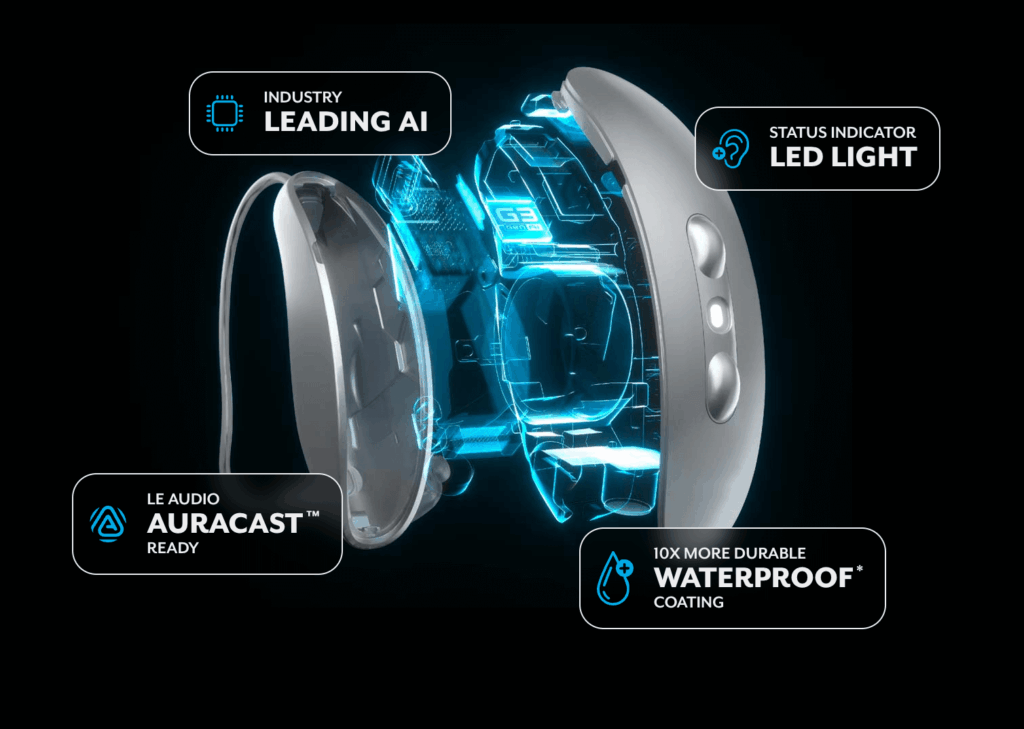
Additionally, we are excited about the development and future rollout of Auracast LE Audio, a new low-energy audio connectivity design. This technology promises to further enhance the quality of assistive listening devices for hearing aid users attending theatre performances. A simple scan of a QR code will allow you to join in the sound effortlessly.

If you have feedback or updated information based on your experiences at a London theatre please contact us at 020 7486 1053 or complete the form below. Your input can help us keep our information up-to-date and improve accessibility for all.

Musicians – protect your hearing!

Hearing Damage is 100% permanent and 100% irreversible

As a musician your ears are the most valuable asset that you have, aside from your ability to perform. It’s important for musicians to protect their hearing as well as the general population because the damage to hearing is 100% permanent and 100% irreversible.

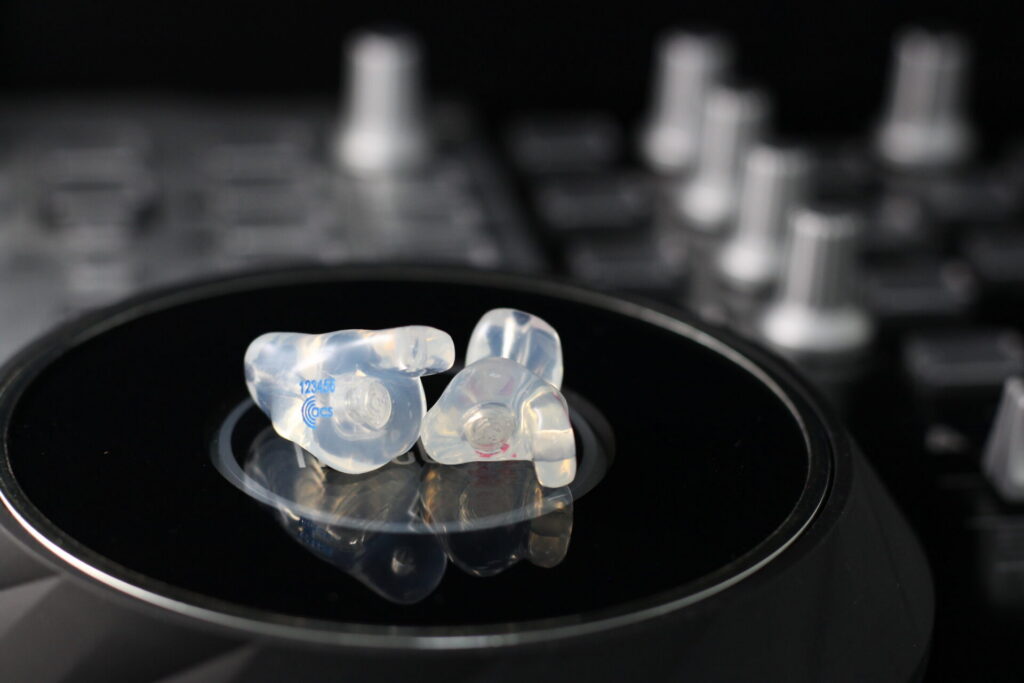
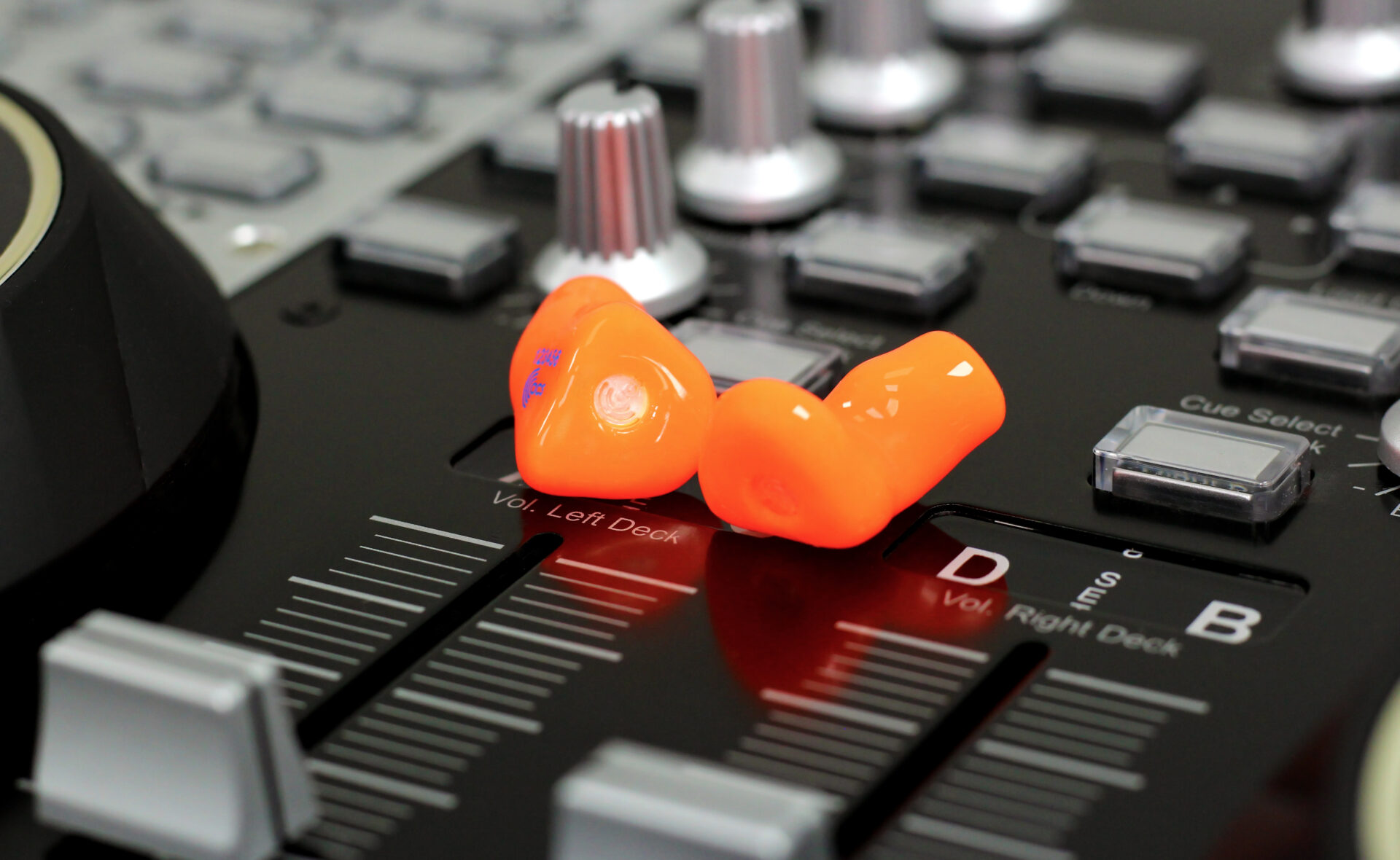
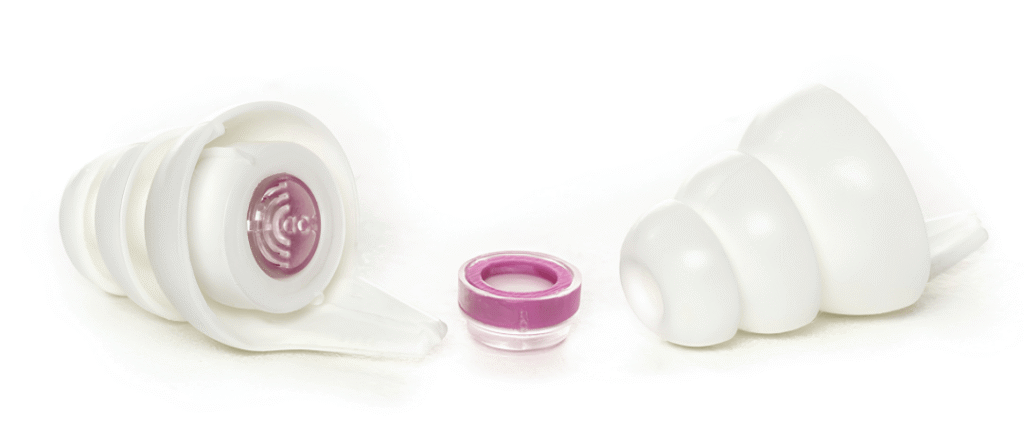
Earplugs are important for preventing hearing damage, especially in musicians, because it is the simplest thing for an individual to implement. Custom-made hearing protection is a step up from the generic sized hearing protection that you can get off the shelf, it is better fitted to the individual.

The Musicians’ Hearing Health Scheme is run by Help Musicians and Harley Street Hearing. We have several locations based around the UK, so there is likely to be a clinic running that is near to you.

“As a bassoonist and an audiologist I think it’s great that Help Musicians are making custom made hearing protection accessible and affordable. It’s something that I am really keen to continue promoting to musicians to make sure that they know that they have an option. I think it’s really important to be able to offer something that is subsidised to the musicians who might be a little more uncertain of using hearing protection. It gives them a starting point where maybe they don’t feel it’s as big a financial investment, and gives them the opportunity to try something that is so much more better suited to them.”

If you were asked in however many years time when you have an issue with your ears if you were to pay £50 towards recovering the hearing that you have lost, you absolutely would do that, so why not do it now and protect and prevent that change from happening.

Musicians’ Hearing Health Scheme

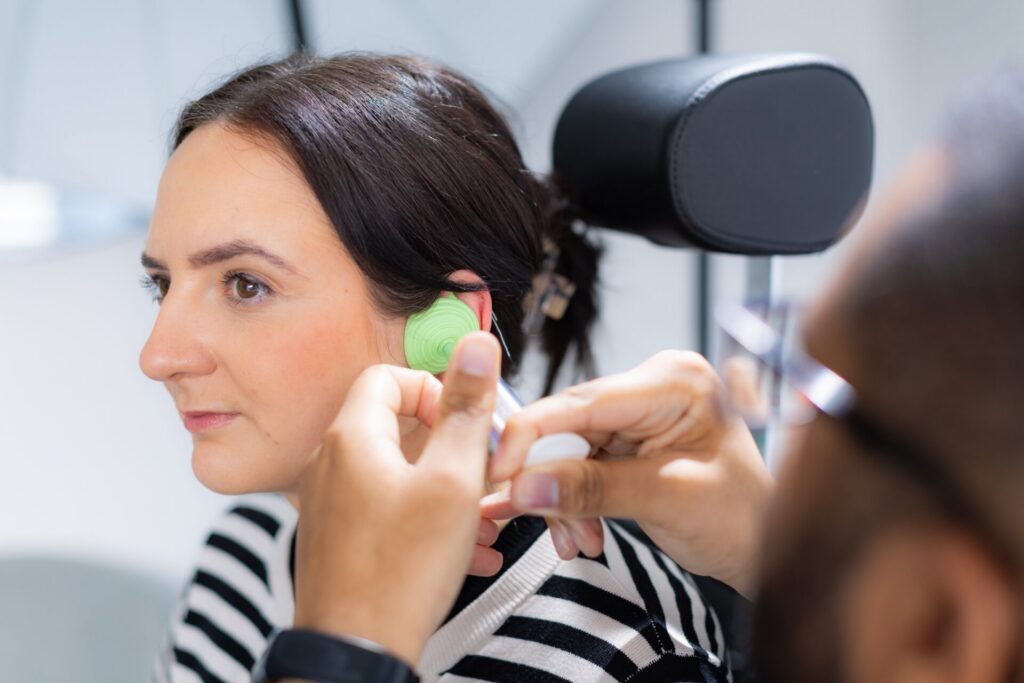
Once accepted onto the scheme you can access an audiological assessment. During your appointment, the audiologist will create moulds of your ears, which will be used to create a set of custom pro musicians earplugs which you will receive in the post a few weeks later. These will allow you to protect your hearing effectively in any live music setting without impeding your ability to do your job.

If any concerns for your hearing come up during the appointment, you will receive expert advice on referral routes and next steps to managing any problems in the long term. The cost of your appointment will be heavily subsidised, so you can access all of this for just £50, with a 25% discount available for Musicians’ Union & ISM members.

For further details about the scheme see here

Fiona Butterworth is a senior clinical audiologist at Harley Street Hearing and Musicians’ Hearing Services. See her video on protecting your hearing below.

Fiona joined the team at Harley Street Hearing in 2018 and is one of our senior audiologists. She studied at the Institute of Sound and Vibration Research (part of the University of Southampton), completing a joint honours undergraduate degree in acoustical engineering and music before starting her masters in audiology. She has a varied clinical workload including selection, fitting and fine tuning of hearing technology specifically for musicians.

Keeping up her musical endeavours in her spare time, Fiona is keen to use her own experiences to inform her work, and is continually broadening her understanding of how hearing, hearing aids, and music are linked. Fiona has given presentations to several London orchestras and organisations in addition to speaking at a number of conferences, raising awareness and educating on the importance of using hearing protection within all musical environments.

ISM Protecting Musicians’ Hearing Health

Protecting Musicians’ Hearing Health

We live in a world where music fills our souls and connects us on a profound level. For musicians, the power of sound is not only their passion but also their livelihood. Yet, amidst the enchanting melodies and pulsating rhythms, there lies a hidden threat to their well-being – the risk of hearing loss.

In an exclusive feature in the esteemed ISM Summer Music Journal, Fiona Butterworth, Senior Clinical Audiologist at Harley Street Hearing and Musicians’ Hearing Services, sheds light on the vital importance of maintaining good hearing health for musicians. She delves into the proactive steps that can be taken to safeguard one’s  hearing, and highlights the valuable support provided by the Musicians’ Hearing Health Scheme.

Promoting hearing health is not a solo act. Employers in the music industry also play a crucial role in creating a safe working environment. In this article, Fiona explains the responsibilities employers hold when it comes to noise in the workplace, ensuring that musicians’ auditory well-being remains a top priority.

To read the full article, click here.

If you’re part of the vibrant music industry and eager to discover more about how to protect your hearing and access the benefits of the Musicians’ Hearing Health Scheme click here.


Harley Street Hearing and Musicians’ Hearing Services have been established for over 25 years. We are passionate about the specific hearing needs of musicians and entertainment industry personnel.

The Independent Society of Musicians (ISM) is the UK’s largest representative non-union body for musicians and a nationally recognised subject association for music.