
For many musicians, hearing yourself clearly on stage can be a challenge.
Whether you’re competing with loud amplifiers, struggling to hear vocals, or dealing with inconsistent monitor mixes, poor monitoring can affect both your performance and your hearing.
That is why more musicians are switching to in-ear monitors (IEMs). They provide clearer sound, greater control and can help reduce exposure to harmful noise levels.
At Musicians’ Hearing Services, we regularly work with performers who want to improve their on-stage sound while protecting their hearing for the future.
What are in-ear monitors?
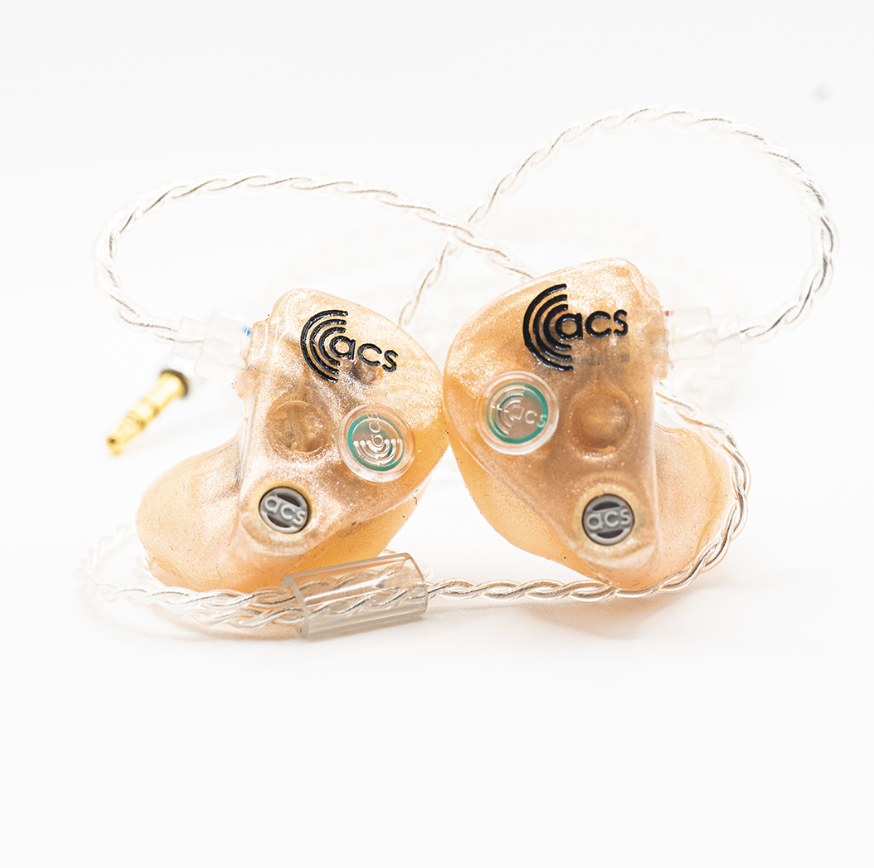
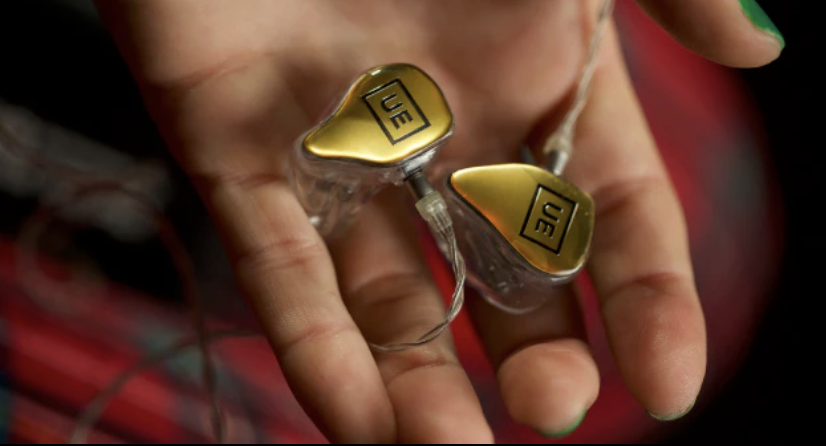
In-ear monitors are earphones designed specifically for live performance and professional audio monitoring.
Instead of relying on traditional floor monitors or wedge speakers, musicians receive their monitor mix directly through earpieces worn in the ears.
This allows you to hear exactly what you need, whether that’s your own instrument, vocals, backing tracks or the full band mix.
Why are musicians choosing in-ear monitors?
- Clearer sound on stage
Traditional stage monitors can be affected by room acoustics, crowd noise and speaker placement.
In-ear monitors deliver a consistent sound directly to your ears, helping you hear every detail of your performance.
- Greater control over your mix
There are systems that allow musicians to adjust their own monitor mix, meaning you can hear more of what matters to you without needing to increase the overall volume.
- Improved performance confidence
When you can hear yourself clearly, it’s easier to stay in tune, keep time and communicate with other performers.
Many musicians find that in-ear monitors reduce stress and improve confidence during live performances.
- Better consistency between venues
Every venue sounds different.
In-ear monitors provide a reliable listening experience regardless of room size, acoustics or stage setup.
Can in-ear monitors protect your hearing?
One of the biggest benefits of in-ear monitors is their ability to help manage noise exposure.
Custom-moulded earpieces create a seal in the ear canal that blocks out external sound. This means musicians can often listen at lower, safer volumes while still hearing their mix clearly. It’s even more effective when all the performers in the ensemble have made the switch over to in-ear monitors, as the need for floor monitors or wedge speakers is eliminated.
However, in-ear monitors are only effective when used correctly.
Listening at excessive volumes can still damage hearing, regardless of the type of monitor being used.
That is why professional fitting, correct setup and regular hearing checks are so important.
Custom vs universal in-ear monitors
Universal in-ear monitors
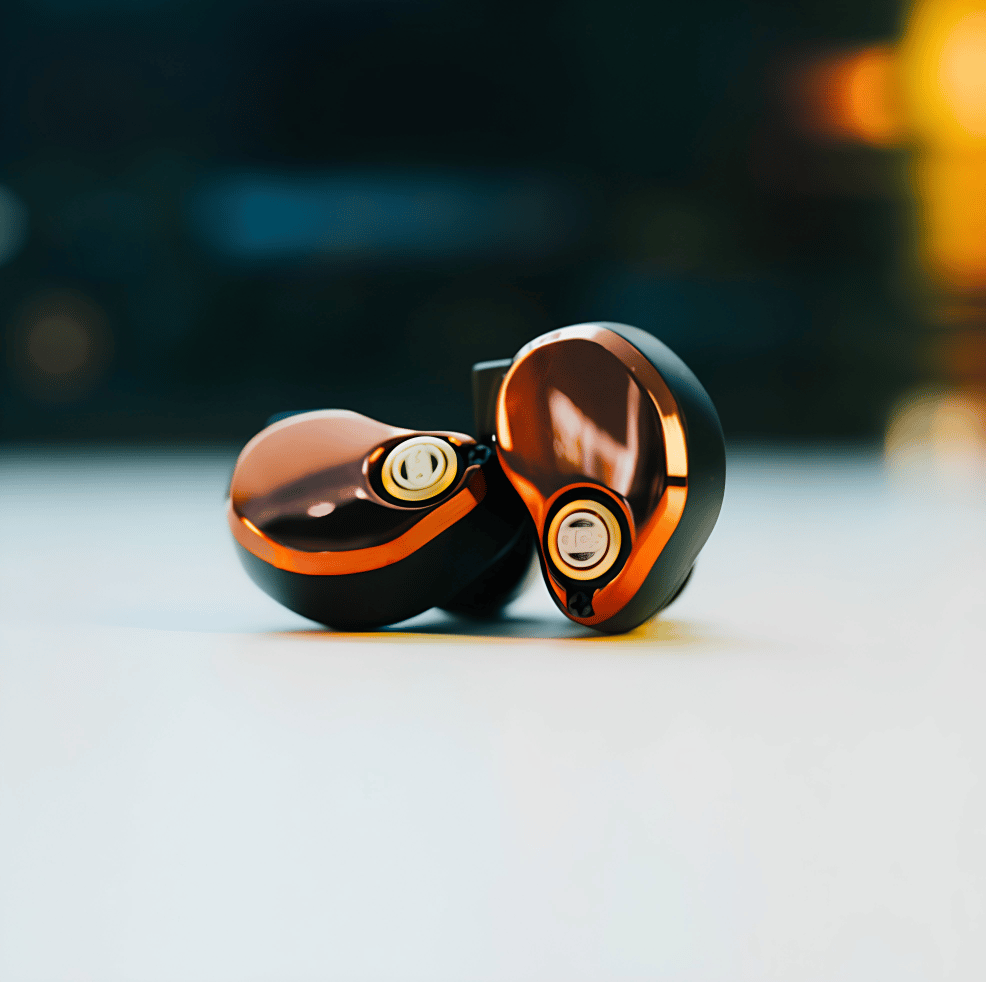
These use standard ear tips and are available off the shelf.
They can be a good entry point for musicians but may not offer the same comfort, isolation or sound quality as custom options.
Custom in-ear monitors
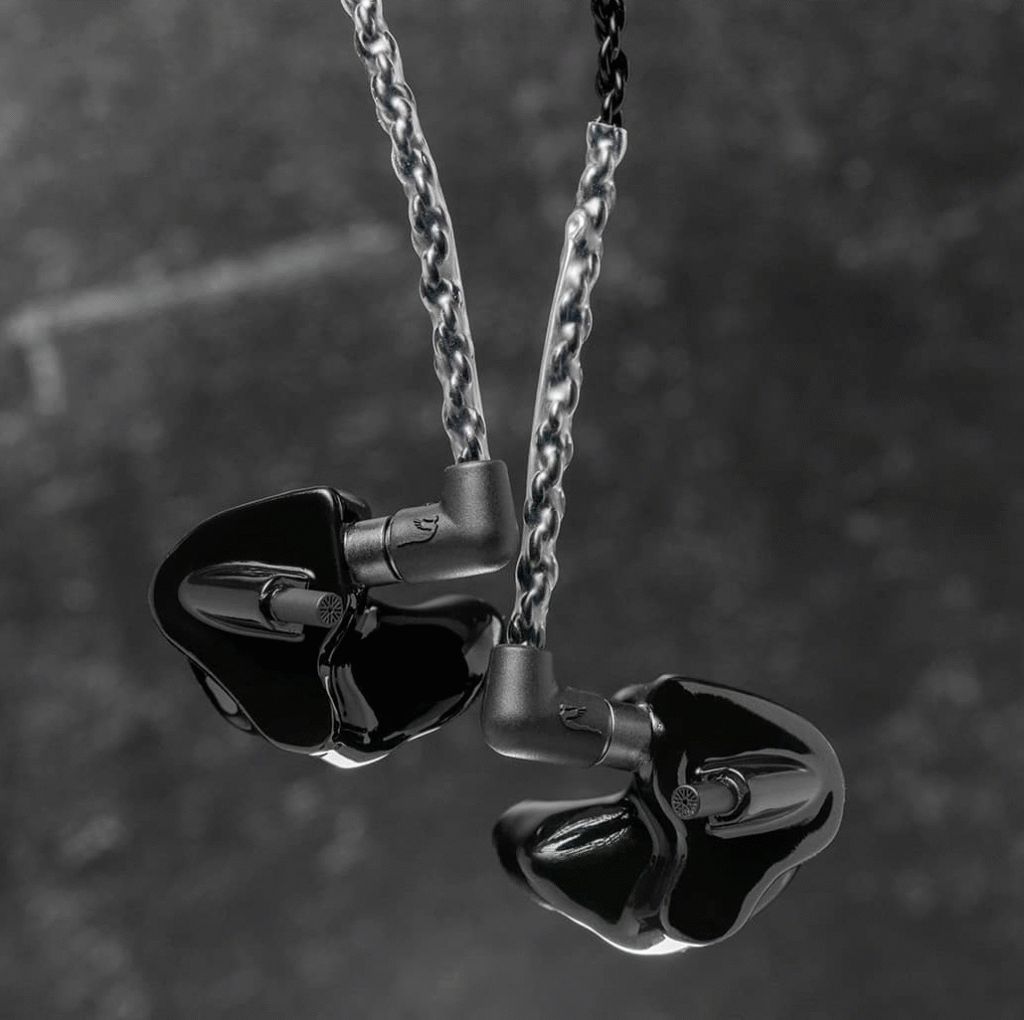
Custom IEMs are made from impressions of your ears.
They offer:
- A secure and comfortable fit
- Better noise isolation
- Improved sound quality
- Reduced risk of the monitors working loose during performances
- Greater comfort during long rehearsals and shows
For professional and regular performers, custom in-ear monitors are often the preferred choice.
Signs you could benefit from in-ear monitors
You may want to consider in-ear monitors if:
- You struggle to hear yourself on stage
- You regularly experience ringing in your ears after performances
- You find monitor mixes inconsistent between venues
- You perform in loud environments frequently
- You want greater control over your sound
- You are looking for ways to manage your noise
Looking after your hearing as a musician
In-ear monitors can be an excellent tool, but they should form part of a wider hearing health strategy.
We recommend:
- Regular hearing tests
- Custom hearing protection for rehearsals and live events
- Monitoring listening levels
- Taking listening breaks where possible
- Seeking advice if you notice tinnitus, muffled hearing or sensitivity to sound
Custom In-Ear Monitor (IEM) Impressions
The quality of your IEMs starts with the quality of your ear impressions. As each manufacturer has specific impression requirements, it’s important to choose your IEM brand before your appointment.
Book an appointment
Our team at Musicians’ Hearing Services provides custom in-ear monitors, hearing protection and specialist hearing assessments for musicians.
Our qualified audiologists take deep ear impressions using a fast-setting silicone material to ensure a precise fit, excellent acoustic seal, and the best possible sound quality. Your custom IEMs are then built specifically to the unique shape of your ears.
Unlike many providers, all impressions are taken exclusively by fully qualified audiologists with a minimum of four years’ clinical training and additional post-qualification experience. We’re also the recommended UK audiologists for all major IEM brands.
We can arrange the manufacture of your custom IEMs or send your impressions directly to your chosen manufacturer. Book your appointment today and stay in control of your hearing – contact us here.


Recent Comments